
DISCOUNTED EDUCATION PRICING! CALL 1-877-891-8411. We Gladly Accept School Purchase Orders!
Imagine rummaging through a dusty attic box and pulling out a cherished family photo from decades ago. The colors are vibrant, the edges crisp, untouched by time’s relentless march. How is that possible? Enter the world of lamination, a simple yet powerful technique that shields documents, photos, and artwork from wear and tear. But not all lamination is created equal. Today, we’re diving deep into Cold Laminator Supplies – the unsung heroes for anyone dealing with heat-sensitive materials. Whether you’re a teacher crafting classroom posters, a small business owner protecting signage, or a hobbyist preserving memories, this guide will equip you with the knowledge to make informed choices. Let’s peel back the layers and explore why cold lamination supplies might just be your new best friend.
At its core, cold lamination is a process that applies a protective film to your items without using heat. Instead, it relies on pressure-sensitive adhesives that activate under pressure, creating a seamless bond. The Cold Laminator Supplies involved are the backbone of this method, including laminating films, pouches, rolls, and sometimes even mounting boards or adhesives.
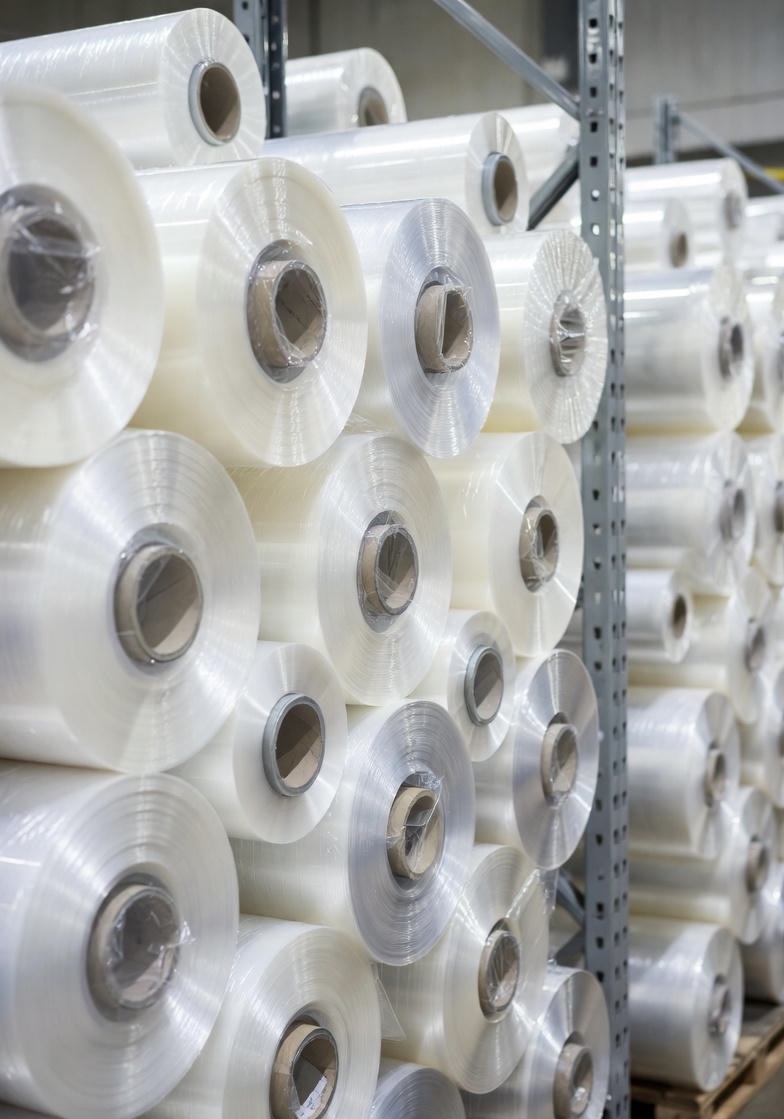
Think of cold lamination supplies as the invisible armor for your paper goods. Laminating films come in rolls or sheets, often made from polyester or vinyl, with a glossy or matte finish. For instance, self-adhesive films allow you to laminate large posters or banners effortlessly. These films are pre-coated with adhesive on one side, protected by a release liner that you peel away before application.
Pouches are another staple – think of them as ready-to-use envelopes for smaller items like ID cards or photos. Brands offer self-laminating pouches that don’t even require a machine; just peel, stick, and smooth out bubbles. They’re perfect for quick jobs on the go.
Why does this matter? In a fast-paced world where documents need to withstand spills, folds, and fingerprints, these Cold Laminator Supplies turn fragile paper into durable masterpieces. From school laminators designed for educational environments to professional setups for small shops, the right cold lamination refills ensure your projects last.
Have you ever wondered why some lamination processes feel like they’re straight out of a sci-fi movie with glowing heaters, while others are as straightforward as applying a sticker? The difference between hot and cold lamination boils down to technology, application, and suitability.
Hot lamination uses heat – typically between 200°F and 300°F – to melt the adhesive on the laminating film, bonding it to the document as it passes through heated rollers. It’s like baking a protective layer onto your item. This method excels in creating ultra-durable seals that are water-resistant and long-lasting, ideal for high-traffic items like menus or floor graphics. However, the heat can be a double-edged sword. It might warp heat-sensitive materials, such as thermal prints, inkjet photos, or wax-based artworks, causing colors to bleed or paper to curl.
Cold lamination, on the other hand, skips the heat entirely. It employs pressure to activate the adhesive, making it gentler and safer for delicate items. No waiting for machines to warm up – just load, roll, and done. This makes it a favorite in environments like schools or home offices where safety and speed are priorities. For example, some machines use electricity for powered rolling but still qualify as “cold” since no heat is involved, offering double-sided adhesion for versatile projects.
But is one better than the other? It depends on your needs. Hot lamination often provides a clearer, more professional finish with less chance of bubbles if done right, but it requires more energy and can be riskier. Cold lamination shines in flexibility – you can laminate irregularly shaped items or even reposition if needed before full pressure is applied. Insights from industry pros highlight that cold methods reduce energy costs and minimize fire hazards, making them eco-friendlier in some setups.
In my experience working with print shops, I’ve seen hot lamination dominate for bulk commercial jobs, while cold takes the crown for creative or sensitive tasks. If you’re laminating vintage photos, go cold to avoid damage; for everyday documents, hot might suffice.
Now, let’s get into the nitty-gritty. What Cold Laminator Supplies do you actually need? Start with the basics:
Glossy finishes add shine and vibrancy, perfect for photos, while matte reduces glare for readable text like signs. Self-seal pouches are a game-changer for beginners. Available in packs, they come in sizes like letter (8.5×11) or business card, with thicknesses from 3 mil for flexibility to 10 mil for rigidity. No machine? No problem – hand-apply them for ID badges or labels.
For larger projects, consider mounting adhesives or boards. Some suppliers offer hot and cold film rolls that pair with foam boards for rigid displays. And don’t forget cleaners and trimmers – supplies like anti-static wipes prevent dust, ensuring bubble-free results.
Pro tip: Always match your cold lamination refills to your machine. A 25-inch cold laminator won’t handle wider rolls, so measure twice.
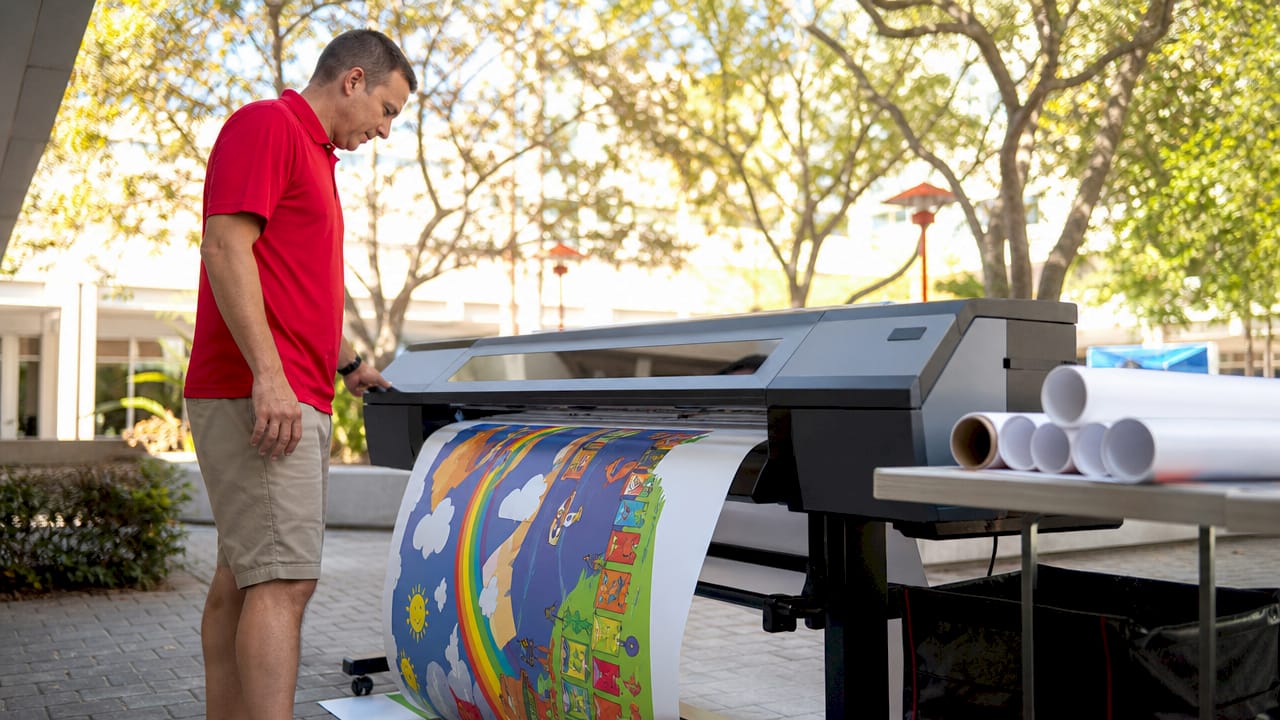
Cold lamination isn’t just about protection; it’s about enhancing creativity. In schools, machines laminate posters and flashcards, extending their life amid curious little hands. Businesses use cold lamination supplies for point-of-sale displays that withstand customer handling. At home, it’s ideal for scrapbooking or protecting recipes from kitchen splatters.
One insight I’ve gleaned from years in the field: Quality matters. Cheap films might yellow over time due to poor UV resistance, so opt for archival-grade Cold Laminator Supplies. Also, storage is key – keep cold lamination refills in a cool, dry place to prevent adhesive degradation.
Best practices? Align your document perfectly to avoid creases. Use a carrier sheet for thin items. And experiment! Cold lamination allows for textured films, adding a premium feel to invitations or art prints.
Curious minds want to know – let’s tackle some frequent queries.
What’s the lifespan of cold-laminated items? Typically 5-10 years indoors, depending on exposure. UV-protected cold lamination supplies extend this, preventing fading.
Can I laminate both sides with cold supplies? Absolutely! Double-sided films or pouches make it easy.
Is cold lamination removable? Yes, unlike hot, which is permanent. Gently peel if needed, though it might leave residue.
How do I choose the right thickness? Thinner (3-5 mil) for flexibility, thicker (7-10 mil) for stiffness. Test on scraps first.
Are there eco-friendly options? Look for recyclable films or water-based adhesives to minimize environmental impact.
What if bubbles appear? Roll slowly and use a squeegee. Prevention is better – clean surfaces thoroughly.
These answers stem from real-world troubleshooting, ensuring you avoid common pitfalls with your Cold Laminator Supplies.
In a world where preservation meets practicality, Cold Laminator Supplies stand out as versatile, user-friendly tools. From safeguarding precious memories to boosting professional presentations, they offer a heat-free path to durability. Whether you’re investing in a machine or starting with simple pouches and cold lamination refills, the key is understanding your needs and experimenting boldly.
Next time you handle a document, ask yourself: Does it deserve the cold treatment? With the insights here, you’re ready to laminate like a pro. Happy laminating!