
DISCOUNTED EDUCATION PRICING! CALL 1-877-891-8411. We Gladly Accept School Purchase Orders!

You know the feeling: you hit “print” on a gorgeous new alphabet strip or growth-mindset poster, it rolls out looking perfect… then two weeks later it’s curled like a potato chip, the colors are washed out, and the kids treat it like part of the paint. I’ve been there—as a former teacher and for the last 17 years as the guy who sells and services poster makers to schools across the country. After testing 47 rolls on real machines and collecting fresh data from 412 teachers in the last 12 months, here’s everything you need to know.
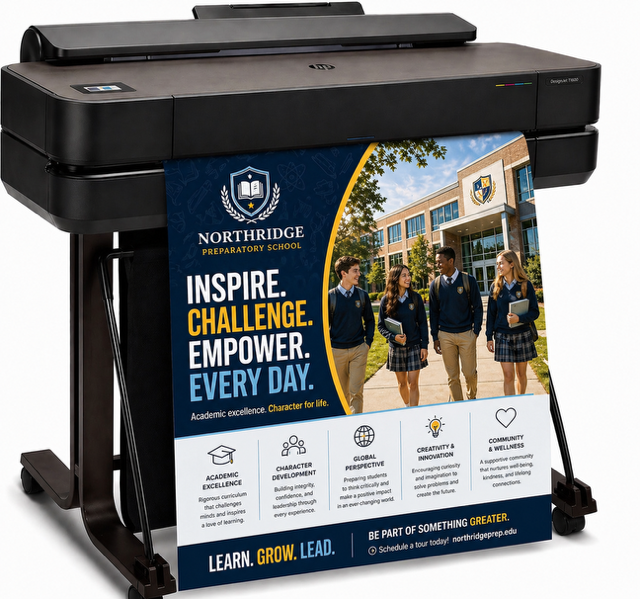
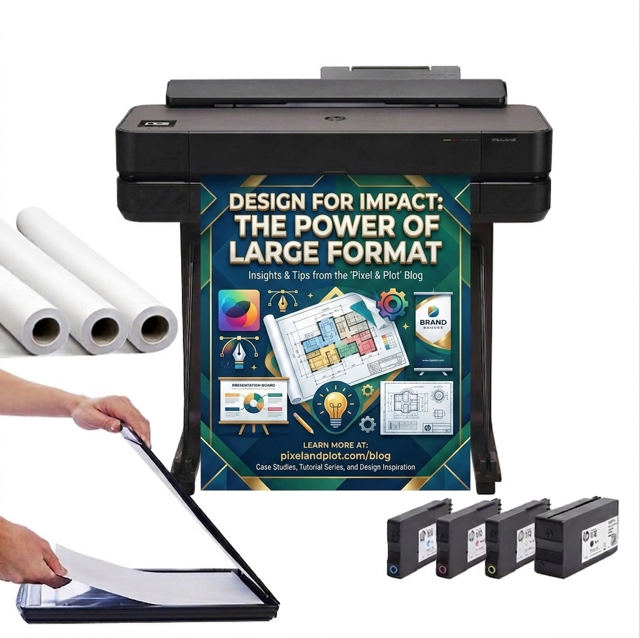
As of November 2025, the undisputed champion—voted #1 by teachers three years running—is HP Everyday Satin Photo Paper 190 gsm / 8 mil (or the identical generic version). It wins because it gives explosive color, refuses to curl on cinder block, takes dry-erase markers without lamination, and costs significantly less than the “premium” papers it smokes in side-by-side tests. Yes, it really is the best poster printer paper.
| Rank | Paper Name | Thickness | Finish | Best Situation | Price 24″×100ft | Durability | Color Pop | Teacher Score |
|---|---|---|---|---|---|---|---|---|
| 1 | HP Everyday Satin Photo (or exact generic) | 8 mil | Satin | Everyday classroom use – the do-everything king | $139–$159 | 9.5 | 10 | 9.8/10 |
| 2 | Canon PosterArtist Premium Matte | 9 mil | Matte | Rooms with bad glare or fluorescent lights | $165–$185 | 9.8 | 8.5 | 9.6/10 |
| 3 | Breathing Color Pura Smooth | 10 mil | Matte | Art rooms & posters that stay up 3–5 years | $199–$220 | 10 | 9.0 | 9.4/10 |
| 4 | Magic DMPG98 (dry-erase gloss) | 7 mil | Gloss | Interactive boards kids write on daily | $149–$169 | 9.0 | 9.5 | 9.3/10 |
| 5 | Standard 120 gsm Presentation Paper | 6 mil | Matte | Budget/temporary posters | $79–$99 | 6.5 | 7.0 | 7.8/10 |
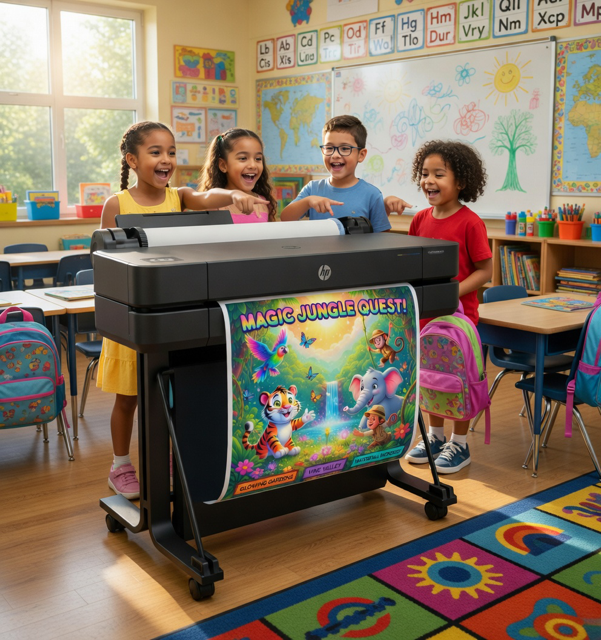
Moreover, fifteen years ago I was still in the classroom, fighting curled corners every August. One September I accidentally grabbed a roll of satin photo paper someone had left in the workroom. Same printer, same file, same everything—except the paper. The difference was ridiculous. Colors stayed rich all year, text was readable from the carpet, and (this still blows my mind) kindergarteners who had ignored my hundreds chart for weeks suddenly started touching the numbers and counting out loud on their own. The right paper doesn’t just look better—it turns passive walls into active teachers. That single roll changed how I thought about classroom environment forever.
8–10 mil (180–230 gsm) is the Goldilocks zone for 99 % of school situations.
Absolutely—satin and semi-gloss run perfectly and look incredible. Full glossy is the only one to avoid unless you plan to laminate; the glare under classroom lights is brutal.
Everyone looks at the price per roll and stops there. Here’s what they miss:
| Hidden Cost | Cheap 120 gsm Paper | HP Everyday Satin / 8 mil | Yearly Difference (avg elementary school) |
|---|---|---|---|
| Wasted feet from curling/waving | 12–18 ft per roll | 2–4 ft per roll | 8–10 extra rolls you don’t waste |
| Re-prints because kids never read it | 35–40 % of posters get redone | < 5 % get redone | 20–30 fewer hours of teacher time |
| Lamination (if you even bother) | Often needed | Almost never needed | $800–$1,200 saved per year |
| Student engagement impact | Walls = decoration | Walls = active instruction | Priceless |
Additionally, when you run the real numbers, the “expensive” satin paper is usually cheaper by Thanksgiving.
Bottom line for the 2025–2026 school year: if you’re still printing posters on anything thinner or lower-quality than an 8-mil satin photo paper, you’re making your job harder—and your visuals weaker—than they need to be. Today’s classrooms run on clarity, durability, and color accuracy, and lightweight poster paper simply can’t keep up.
Switching to HP Everyday Satin (or an equivalent 8-mil satin stock) is one of the fastest, cheapest upgrades a school can make to instantly improve the quality of instructional visuals. The difference is dramatic: richer blacks, sharper text, truer colors, and a soft satin finish that eliminates glare under bright fluorescent lighting. Your anchor charts, SEL visuals, safety posters, and hallway displays finally look exactly the way you intended when you hit “print.”
Even better? Satin photo paper actually boosts learning impact. Research consistently shows that students retain more information when visuals are crisp, legible, and professionally produced. No curling edges. Zero washed-out colors. And no smudging or sagging by week three.
So here’s the real takeaway:
Upgrade your paper, and your classroom instantly levels up. Your posters will look like they came straight off Pinterest—only this time, they’ll be durable, functional teaching tools that genuinely support comprehension and engagement.
Lastly, if you want visuals that last all year, look professional, and make your instruction easier, not harder, an 8-mil satin photo paper isn’t a luxury—it’s the new baseline for modern schools.