
DISCOUNTED EDUCATION PRICING! CALL 1-877-891-8411. We Gladly Accept School Purchase Orders!
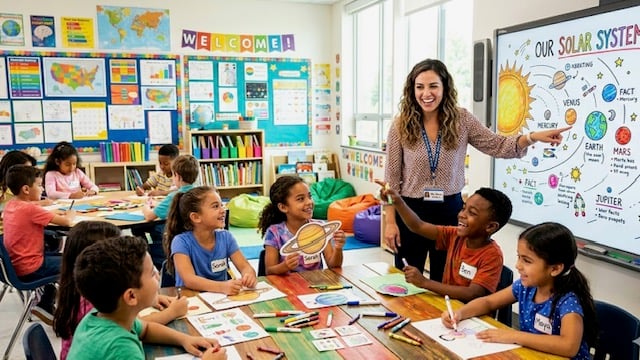
In classrooms across the country, teachers are constantly searching for ways to help students better understand complex ideas, stay engaged, and retain information long after the lesson ends. One of the most powerful — yet sometimes overlooked — strategies is the use of visuals in teaching.
Visual learning is not just about making lessons look more attractive. It fundamentally changes how students process information. Research consistently shows that students learn faster, remember more, and stay more engaged when lessons include strong visual elements.
From anchor charts and diagrams to classroom posters and infographics, visuals help transform abstract concepts into something students can actually see and understand.
This article explores the importance of visuals in teaching, why visual learning works so well in classrooms, and how educators can effectively incorporate visuals into daily instruction.
The human brain processes images far more efficiently than text. In fact, studies in cognitive psychology suggest that the brain processes visual information up to 60,000 times faster than written words. This means students often understand a concept more quickly when they see it rather than when they simply read or hear about it.
Visual learning also supports dual coding theory, a concept in educational psychology that suggests students learn better when information is presented both verbally and visually.
When teachers combine spoken instruction with diagrams, charts, and classroom visuals, the brain creates multiple pathways for remembering information.
For example, a science teacher explaining the water cycle may verbally describe evaporation and condensation. But when students also see a clear visual diagram of the water cycle posted in the classroom, the concept becomes far easier to understand and recall.
This is why visual teaching strategies are so effective across all grade levels, from elementary school to high school.
Educational research consistently highlights the impact of visuals on student comprehension.
According to studies in educational neuroscience:
• Students retain approximately 10% of what they read
• Students retain around 20% of what they hear
• Students retain up to 65% of information when visuals are involved
These numbers demonstrate why visual aids for teaching are not just helpful — they are essential.
Visual learning works because it aligns with how the brain naturally organizes and stores information. Images, diagrams, and symbols allow students to quickly identify patterns and relationships between ideas.
This becomes especially important when students are learning complex topics such as:
• scientific processes
• mathematical relationships
• historical timelines
• vocabulary development
• grammar rules
• geographic concepts
When teachers incorporate visual supports into their lessons, students are able to grasp these ideas more quickly and with greater confidence.
One of the biggest challenges in education is ensuring students remember what they learn beyond the test.
Visual learning plays a key role in long-term memory retention.
Psychologists refer to something called the Picture Superiority Effect, which explains that images are far easier for the brain to remember than words alone.
When students encounter a strong visual representation of a concept, that image often becomes a mental reference point they can recall later.
For example:
A student may forget the exact wording of a grammar rule, but they will often remember the classroom poster that visually explained it.
Similarly, students may struggle to recall the steps of a math process from a textbook paragraph, but they can easily remember the visual anchor chart their teacher displayed during the lesson.
Visual reinforcement allows students to repeatedly revisit important information simply by glancing around the classroom.
Student engagement is one of the biggest predictors of learning success. Unfortunately, traditional lecture-style instruction often fails to hold students’ attention for long periods.
Visual teaching strategies naturally increase engagement because they stimulate curiosity and interest.
Bright visuals, charts, and infographics invite students to explore information rather than passively receive it.
Classrooms that make effective use of visual materials often see:
• higher student participation
• increased classroom discussion
• improved comprehension
• stronger academic confidence
This is especially important for younger learners who thrive in visually rich environments.
Elementary classrooms that incorporate posters, diagrams, and visual instructions tend to maintain student attention far more effectively than classrooms that rely solely on text-heavy materials.
Every classroom contains a diverse group of learners. Some students absorb information best through reading, while others learn best through listening or hands-on activities.
However, a significant portion of students are visual learners.
These students process information most effectively when they can see concepts illustrated through:
• diagrams
• charts
• maps
• flowcharts
• images
• classroom posters
Without visual support, these students may struggle to fully understand the material being taught.
By incorporating visual aids in the classroom, teachers ensure that visual learners have the tools they need to succeed.
At the same time, visuals also enhance learning for auditory and kinesthetic learners by reinforcing concepts through multiple sensory pathways.
This makes visual teaching strategies one of the most inclusive and effective instructional approaches available.
Many academic topics are inherently complex. Subjects like mathematics, science, and grammar often involve abstract ideas that can be difficult to explain using words alone.
Visual aids help simplify these concepts by breaking them down into clear, digestible steps.
For example:
A math poster illustrating the order of operations allows students to quickly understand the correct sequence of steps.
A science diagram of the human digestive system helps students visualize how food moves through the body.
A social studies timeline makes it easier to understand how historical events connect over time.
When complex information is presented visually, students can quickly identify relationships between different parts of a concept.
This reduces confusion and builds stronger conceptual understanding.
Teachers are often working with limited time to cover a large amount of curriculum. Visual materials can significantly improve instructional efficiency.
Instead of repeatedly explaining the same concept throughout the day, teachers can refer students to visual reference materials posted around the classroom.
For example:
A teacher may display posters covering topics such as:
• multiplication strategies
• punctuation rules
• scientific vocabulary
• writing structures
• geography maps
Students can quickly reference these visuals during independent work, which reduces interruptions and allows teachers to focus on deeper instruction.
This type of visual classroom environment creates a constant learning support system that benefits both teachers and students.
One of the most effective ways teachers incorporate visuals into instruction is through classroom posters.
Educational posters serve as permanent visual reminders of important concepts students encounter throughout the school year.
Unlike digital slides that disappear after a lesson ends, posters remain visible and accessible every day.
Effective classroom posters often include:
• clear diagrams
• labeled illustrations
• step-by-step processes
• vocabulary definitions
• key formulas
• helpful examples
These visual resources reinforce lessons long after the teacher has moved on to the next topic.
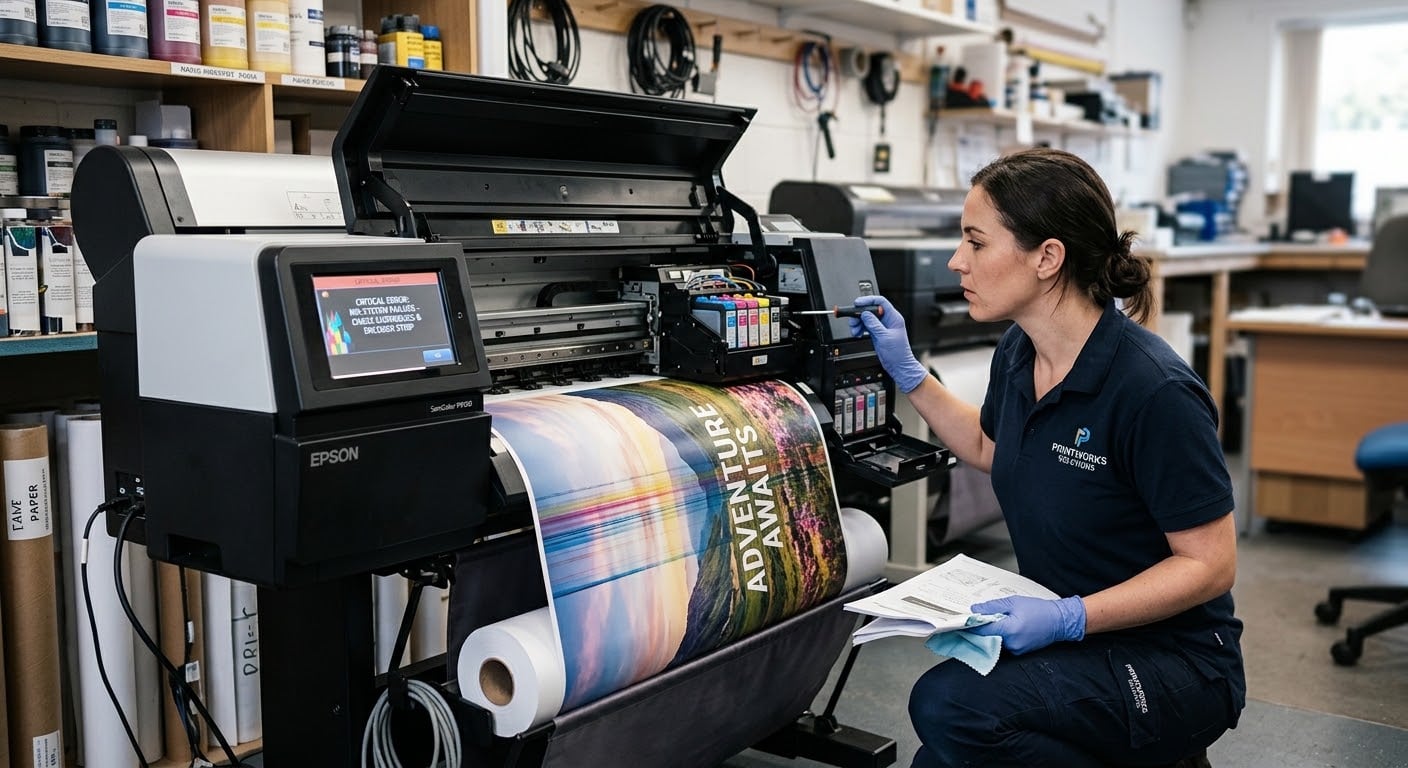
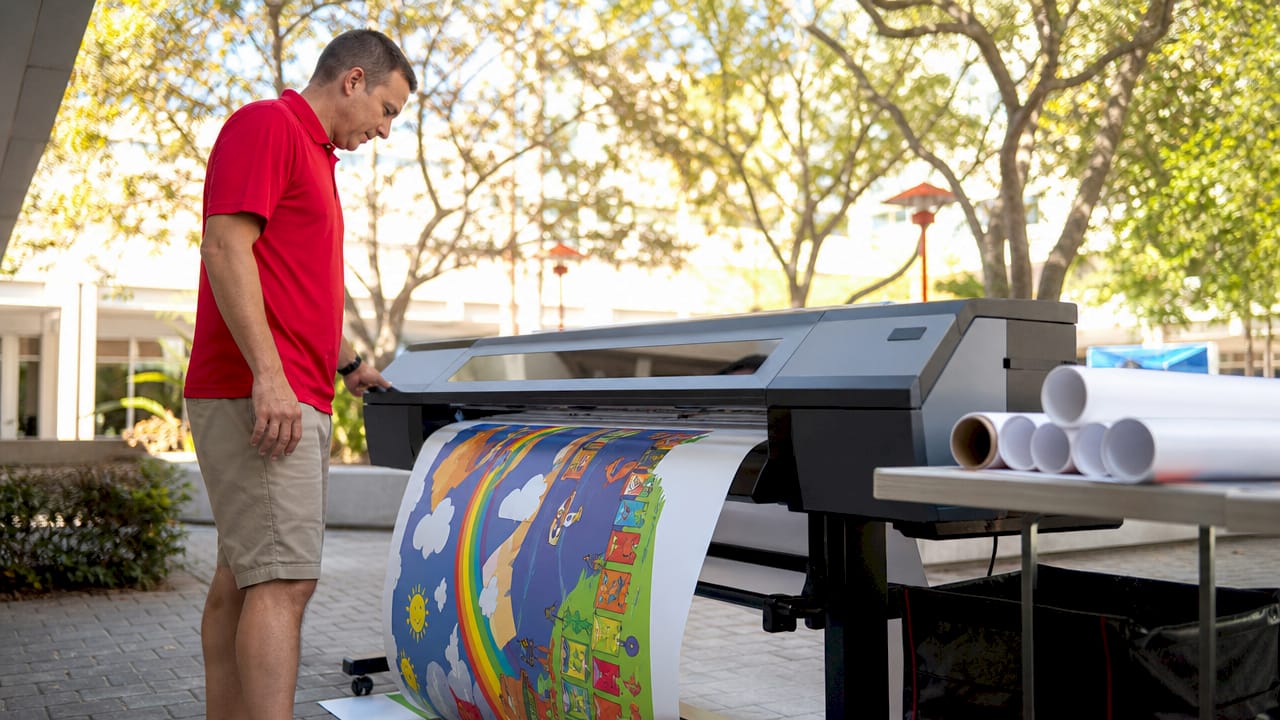
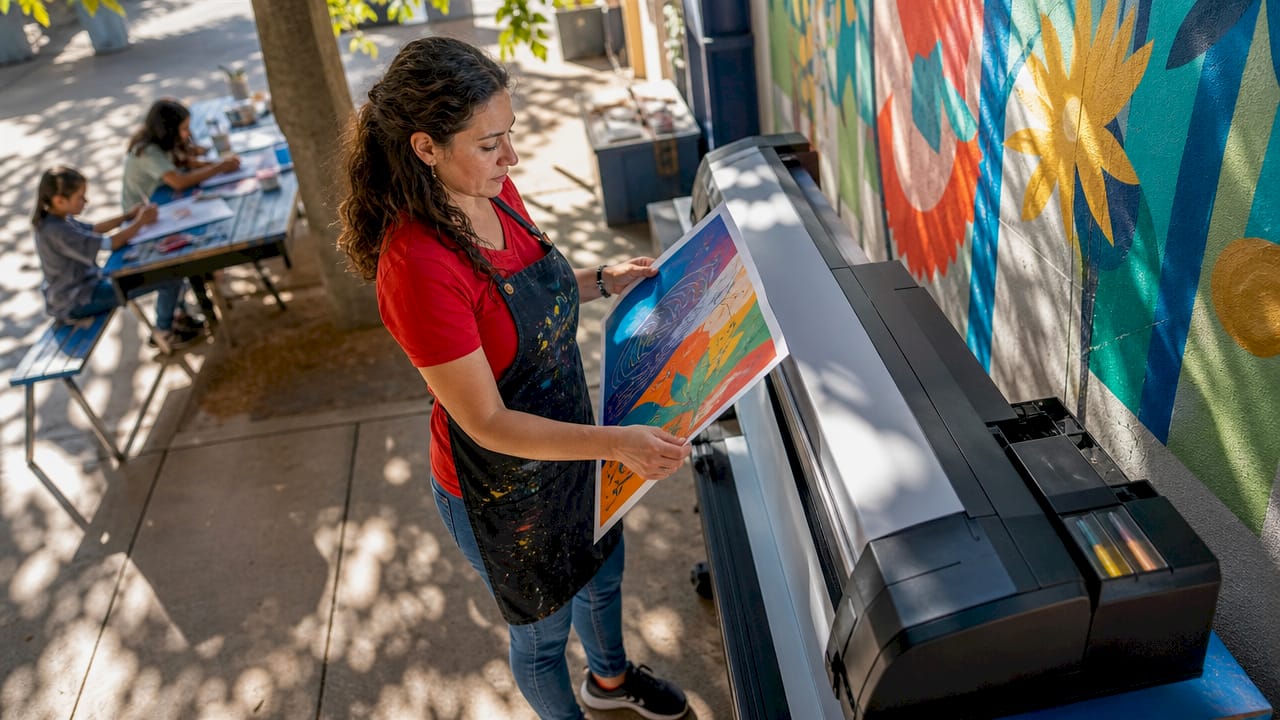
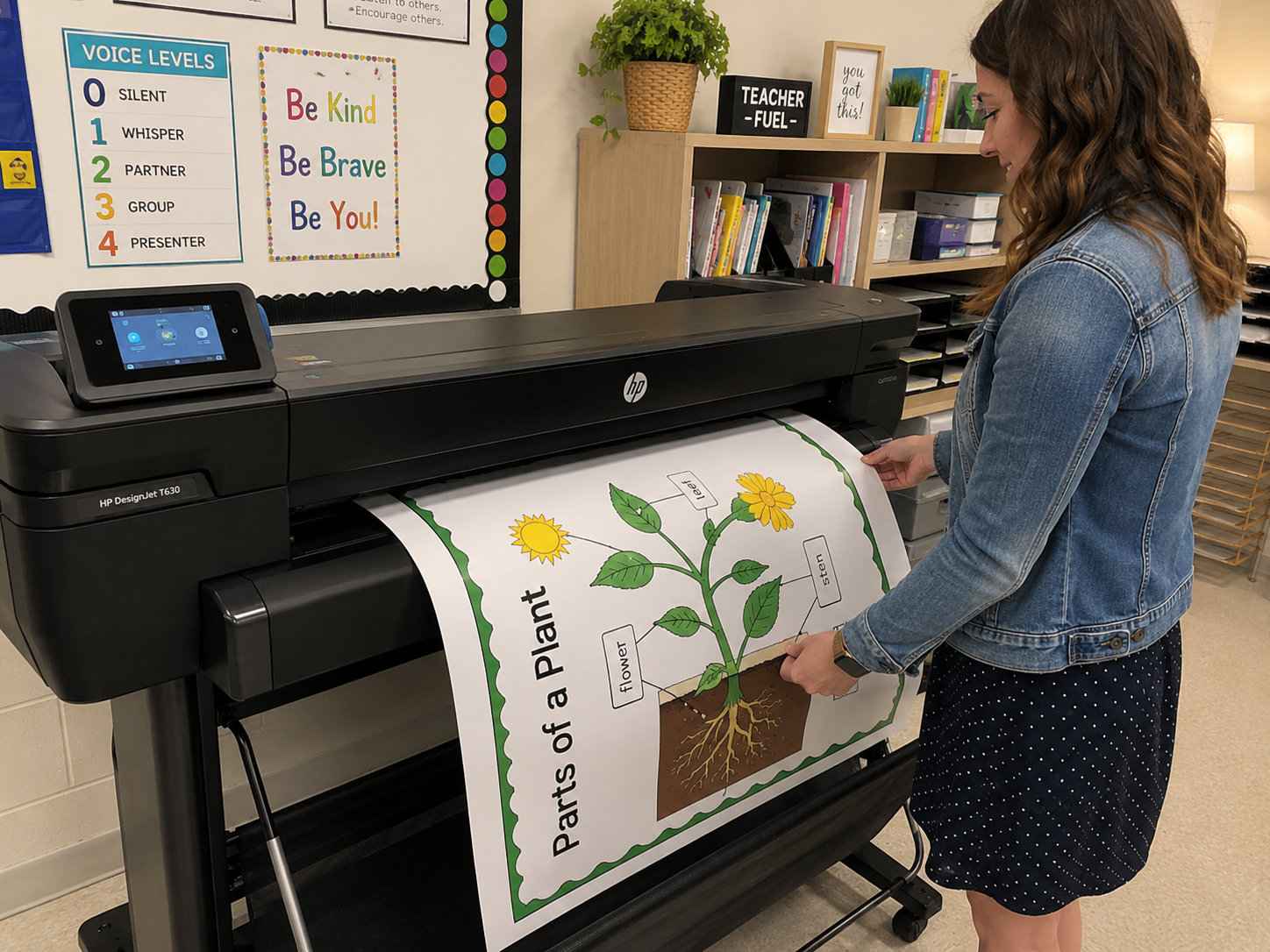
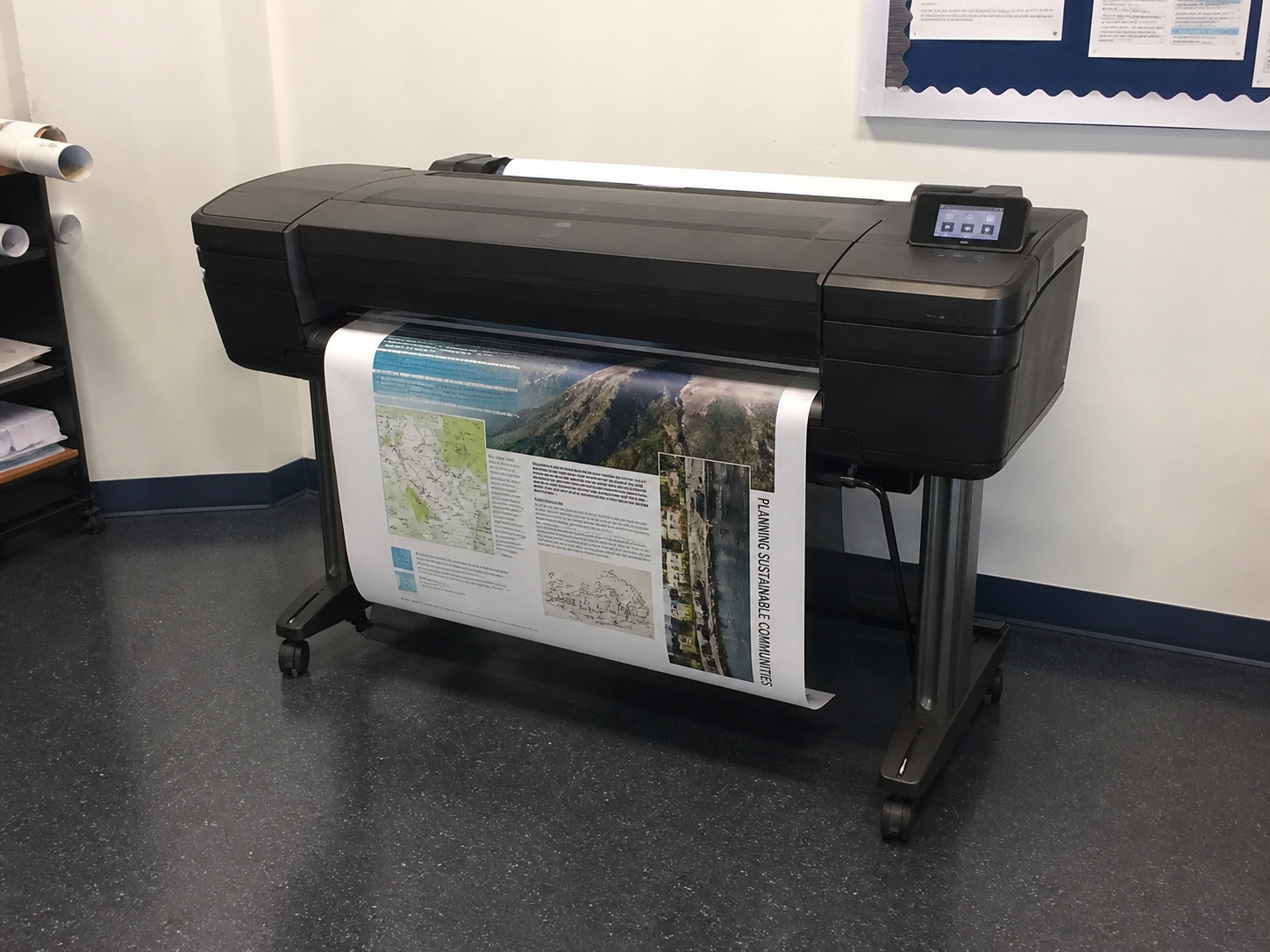
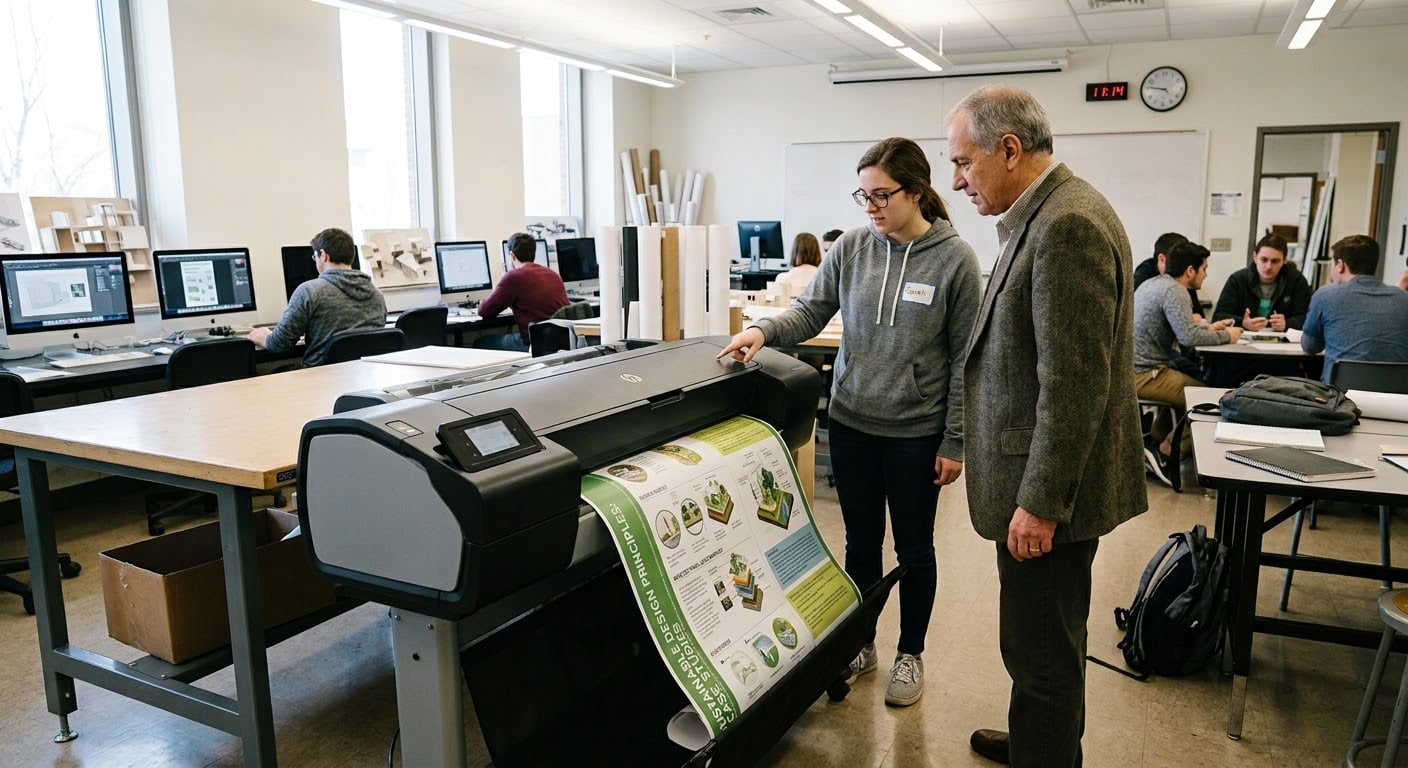
In many classrooms, teachers use poster makers to create customized visuals that align directly with their curriculum.
The Education Graphics Poster Maker from Education Graphic Solutions has become a popular choice for schools because it allows teachers to quickly produce large, vibrant instructional visuals whenever they need them.
This flexibility allows educators to respond to student needs in real time and build a visually rich learning environment that supports daily instruction.
While physical visuals remain incredibly valuable, digital tools have expanded the possibilities of visual instruction even further.
Teachers now regularly incorporate digital visuals such as:
• interactive diagrams
• digital infographics
• animated learning graphics
• virtual whiteboards
• instructional videos
These tools can complement physical classroom visuals to create a dynamic learning experience.
However, even in technology-rich classrooms, printed visuals continue to play an important role. Students benefit from having constant visual references around them that do not depend on screens or devices.
The most effective classrooms often combine both printed visuals and digital visual learning tools.
To maximize the effectiveness of visual learning, educators should follow several best practices.
Too much information can overwhelm students. Effective teaching visuals focus on one main concept at a time.
High contrast colors, readable fonts, and clear labeling make visuals easier for students to understand.
Every visual aid should directly support the lesson being taught.
Refreshing classroom visuals throughout the year keeps the environment engaging and relevant to current lessons.
Teachers can ask students to reference posters during discussions or even create their own visuals as part of projects.
These strategies help ensure visuals are not just decorations, but active learning tools.
Education is constantly evolving, but the importance of visuals in teaching is only becoming more widely recognized.
As classrooms become more diverse and curricula become more complex, visual teaching strategies will continue to play a critical role in helping students succeed.
Visual learning helps bridge gaps in comprehension, support different learning styles, and keep students engaged in the learning process.
Teachers who effectively integrate visuals into their classrooms often see improvements in both student understanding and confidence.
In an era where attention spans are shrinking and information is everywhere, clear visual instruction provides a powerful way to cut through the noise and help students focus on what truly matters.
Visual learning is far more than a classroom trend — it is a proven educational strategy that aligns with how the brain naturally processes information.
When teachers incorporate strong visuals into their instruction, they create a learning environment where students can better understand, remember, and apply what they learn.
From diagrams and charts to anchor posters and infographics, with a use of a poster printer machine, visuals transform abstract ideas into something students can see, explore, and truly comprehend.
For educators looking to strengthen their teaching methods and improve student outcomes, investing in visual instruction is one of the most effective steps they can take.
And in classrooms where visuals are thoughtfully integrated into daily lessons, students are not just learning — they are seeing knowledge come to life.