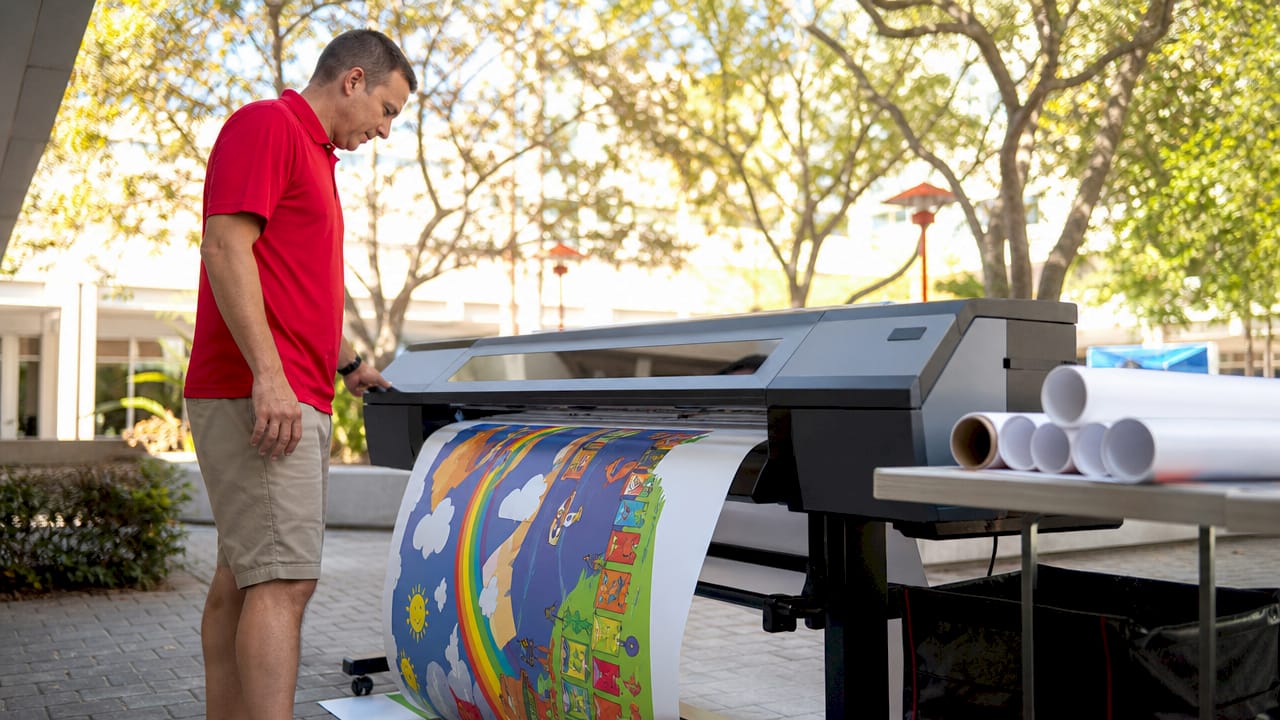
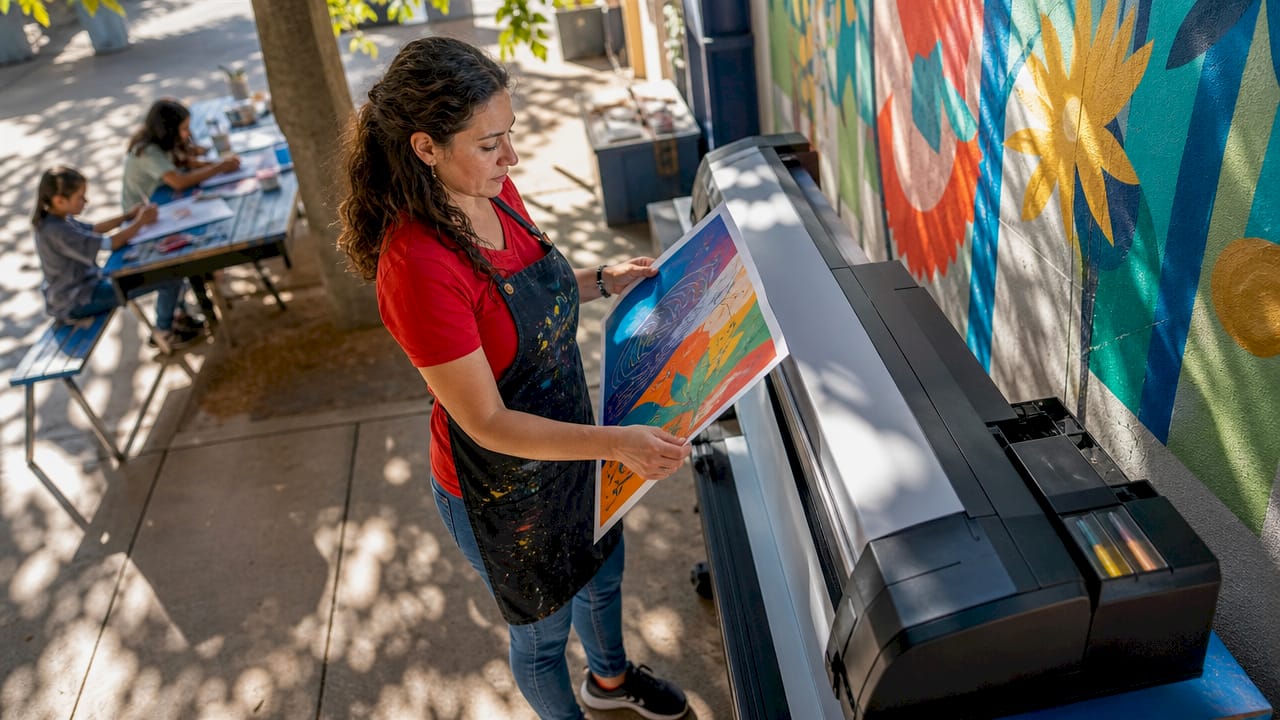
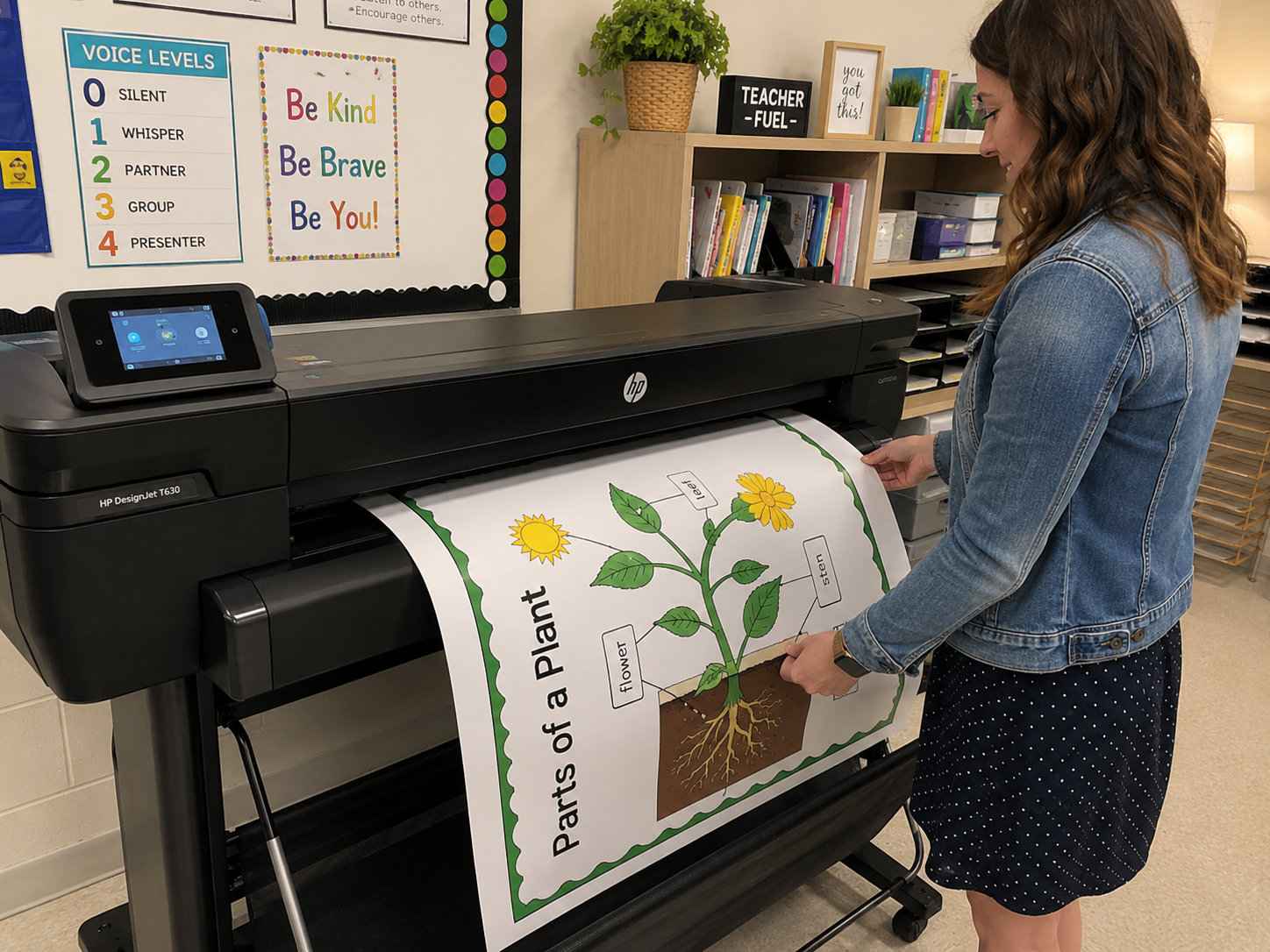
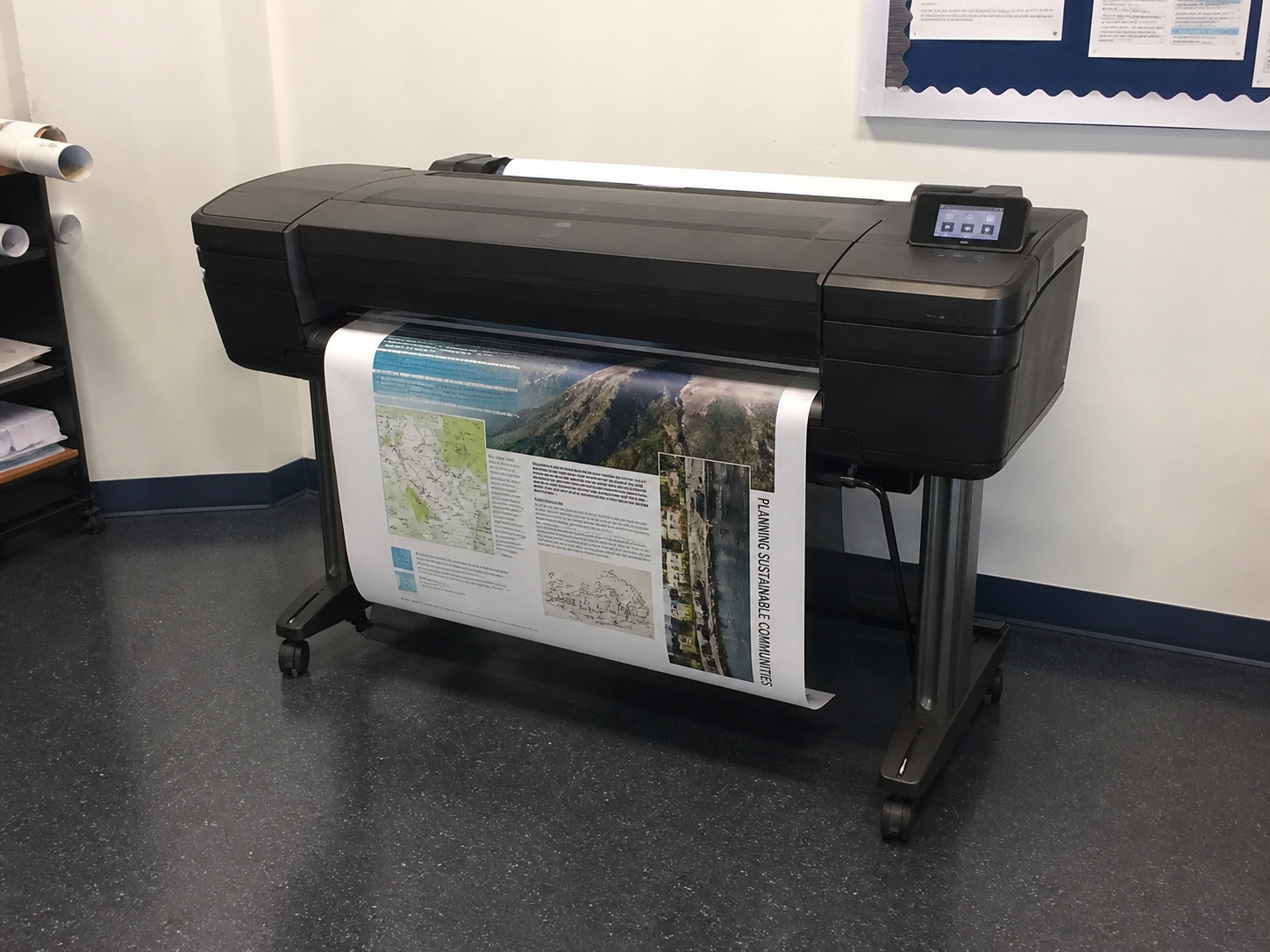
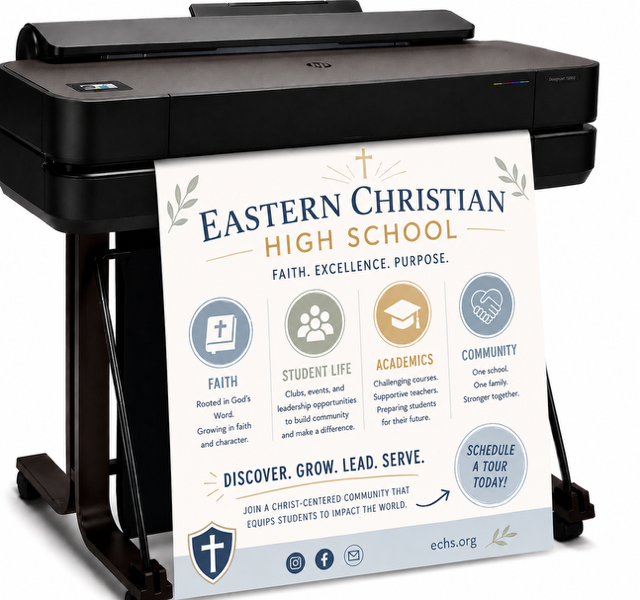
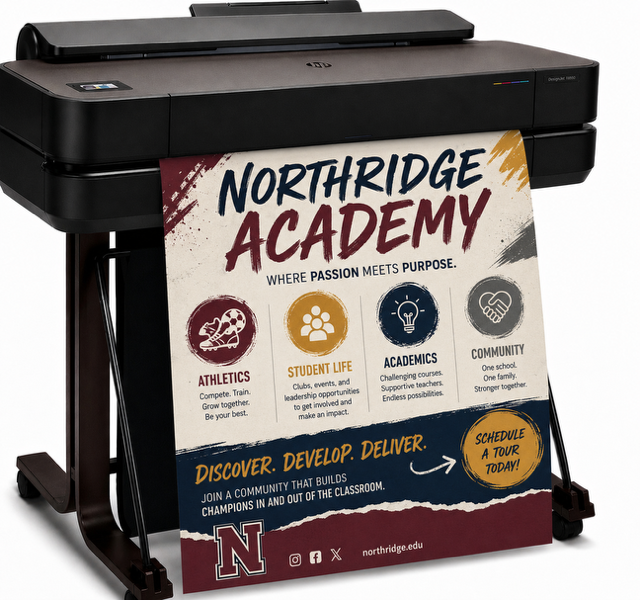
Poster paper is the unsung hero behind every breathtaking large-scale print. Whether you’re crafting a show-stopping event poster, a professional retail display, or a vibrant art reproduction, the right poster paper for your wide-format printer can transform your vision into reality. This blog dives deep into the world of poster paper, offering actionable insights, creative ideas, and expert tips to help you create prints that captivate and endure. From choosing the perfect paper type to troubleshooting common issues, we’ll guide you through every step to ensure your wide-format projects shine. Let’s get started!
Why Poster Paper is the Key to Wide-Format Printing Success
Wide-format printers, capable of producing prints from 24 inches to over 60 inches wide, are designed for bold, oversized visuals like posters, banners, and signage. But the true magic happens when you pair your printer with the right poster paper. The wrong choice can result in dull colors, curling edges, or prints that fade too soon. The right paper, however, delivers crisp details, vibrant hues, and a professional finish that elevates your design.
Poster paper comes in a variety of types, weights, and finishes, each suited to specific applications. From glossy photo paper that makes colors pop to durable vinyl for outdoor use, understanding your options is essential for creating prints that align with your goals.
Quick Tip: Always consult your wide-format printer’s manual for recommended paper types and weights to avoid jams or subpar results.
Exploring the Types of Poster Paper for Wide-Format Printers
With so many options available, choosing the right poster paper can feel daunting. To simplify things, let’s break down the most popular types, their unique features, and their ideal uses:
- Glossy Photo Paper Known for its shiny, reflective surface, glossy photo paper is a favorite for high-resolution images and vibrant graphics. It enhances color saturation, making it perfect for eye-catching designs. Best for: Promotional posters, photography exhibitions, or event signage. Pro Tip: Use UV-resistant inks to prevent fading in sun-exposed areas, such as storefront displays.
- Matte Poster Paper With a non-reflective finish, matte paper offers a sophisticated look that minimizes glare. It’s ideal for text-heavy designs or posters displayed under bright lights. Best for: Educational posters, office presentations, or indoor signage. Pro Tip: Pair matte paper with bold, high-contrast typography for a clean, professional appearance.
- Vinyl Poster Paper Built for durability, vinyl poster paper is weather-resistant and tough enough to withstand rain, wind, and UV exposure. It’s a versatile choice for both indoor and outdoor applications. Best for: Outdoor events, trade show banners, or storefront signage. Pro Tip: Opt for laminated vinyl for extra protection against scratches and wear.
- Canvas Poster Paper Canvas paper mimics the texture of traditional artist canvas, adding an artistic, upscale feel to prints. It’s perfect for fine art reproductions or decor pieces. Best for: Gallery prints, home decor, or boutique signage. Pro Tip: Use archival-quality inks to ensure canvas prints remain vibrant for years.
- Adhesive-Backed Poster Paper Designed for easy application, adhesive-backed paper (like vinyl stickers or peel-and-stick posters) is ideal for temporary or repositionable displays. Best for: Pop-up shops, seasonal promotions, or wall decals. Pro Tip: Ensure the surface is clean, smooth, and dry before applying adhesive paper to avoid bubbles.
- Satin or Semi-Gloss Poster Paper Striking a balance between glossy and matte, satin paper offers a subtle sheen that enhances colors without excessive glare. It’s a versatile option for various projects. Best for: Retail displays, event posters, or professional presentations. Pro Tip: Satin paper works well for designs with both images and text, offering a polished look.
- Translucent Poster Paper Designed for backlit displays, translucent paper allows light to pass through, creating a glowing effect for signage or lightbox graphics. Best for: Trade show booths, restaurant menus, or illuminated signage. Pro Tip: Test your design on a small sheet to ensure colors remain vibrant when backlit.
Did You Know? The weight of poster paper, measured in grams per square meter (GSM), impacts its durability and feel. For most posters, 130–200 GSM offers a balance of sturdiness and affordability, while heavier options (200+ GSM) are ideal for premium or long-term displays.
How to Choose the Perfect Poster Paper for Your Project
Selecting the right premium poster paper starts with understanding your project’s purpose and environment. Here are key questions to guide your decision:
- Where will the poster be displayed? Indoor settings favor glossy, matte, or satin paper, while outdoor displays require durable vinyl or weather-resistant options.
- What’s the design focus? Vibrant images shine on glossy or semi-glossy paper, while text-heavy designs look best on matte or satin finishes.
- How long should it last? Short-term events can use budget-friendly paper, but long-term displays benefit from archival-quality or laminated options.
- What’s the lighting like? Bright environments call for matte or satin finishes to reduce glare, while backlit displays need translucent paper.
- What’s your budget? High-end canvas or vinyl costs more but delivers premium results, while standard photo paper is cost-effective for bulk prints. Don’t forget to budget poster printer ink.
Pro Example: For a month-long outdoor farmers’ market banner, choose 150 GSM vinyl poster paper with a semi-gloss finish and lamination for durability and vibrant colors.
Creative Applications for Poster Paper in Wide-Format Printing
Poster paper isn’t just for traditional posters—it’s a versatile medium for a range of creative projects. Here are some innovative ways to use it:
- Wall Murals: Transform spaces with adhesive-backed poster paper to create custom wall graphics for offices, cafes, or homes.
- Floor Graphics: Use durable vinyl poster paper for temporary floor decals in retail stores or event venues.
- Backlit Displays: Pair translucent poster paper with lightbox frames for glowing signage that grabs attention in malls or trade shows.
- Art Reproductions: Canvas poster paper turns digital designs into gallery-worthy prints for artists, photographers, or collectors.
- Point-of-Sale Displays: Glossy or satin poster paper makes product promotions pop in retail environments, driving customer engagement.
- Custom Packaging: Use lightweight poster paper to create branded wraps or inserts for premium product packaging.
- Event Backdrops: Print large-scale designs on vinyl or canvas paper for photo booths or stage backdrops at weddings, conferences, or festivals.
Creative Hack: Die-cut large poster paper prints into custom shapes—like stars, logos, or silhouettes—for unique signage that stands out at events or trade shows.
Best Practices for Printing Flawless Posters on Wide-Format Printers
To achieve professional-grade results with your poster paper, follow these essential tips:
- Calibrate Your Printer: Adjust your wide-format printer’s settings to match the paper type, thickness, and finish. This prevents ink smearing, misalignment, or uneven drying.
- Use High-Resolution Files: Aim for 300 DPI (dots per inch) at the final print size to ensure sharp, crisp details, especially for large-scale prints.
- Test on Small Sheets: Print a small section on the same paper type to check color accuracy and alignment before running a full-size print.
- Handle with Care: Wear gloves to avoid fingerprints on glossy or satin paper, and store rolls flat or upright to prevent creasing or warping.
- Allow Drying Time: Let prints dry fully (up to 24 hours for glossy or heavy-ink designs) before handling, laminating, or mounting to avoid smudging.
- Consider Finishing Options: Laminating, mounting, or framing your poster enhances durability and adds a polished look for professional displays.
Storage Tip: Store poster paper rolls in a cool, dry environment (ideally 60–75°F and 40–60% humidity) to prevent warping, yellowing, or moisture damage.
Troubleshooting Common Poster Paper Challenges
Even with careful planning, issues can arise. Here’s how to address common problems:
- Curling Edges: Use heavier paper (150+ GSM) or store rolls properly to avoid curling. For prints that curl, try reverse-rolling them briefly or weighting the edges during drying.
- Faded Colors: Ensure your printer uses pigment-based inks for longevity, especially for outdoor or sunlit displays. UV-resistant coatings can also help.
- Paper Jams: Double-check that the paper is loaded correctly and matches your printer’s specifications. Clean the printer’s rollers to prevent misfeeds.
- Ink Smudging: Allow sufficient drying time, especially for glossy or satin paper, and avoid stacking prints immediately after printing.
- Color Inaccuracy: Calibrate your monitor and printer to ensure colors match your digital design. Use ICC profiles specific to your paper type for precision.
Troubleshooting Hack: If colors look off, print a test strip with a color chart to identify and adjust any discrepancies before printing the full poster.
Where to Source High-Quality Poster Paper
Finding reliable poster paper is critical for consistent, high-quality results. Major printer brands like Epson, HP, and Canon offer paper specifically designed for their wide-format printers, ensuring compatibility and optimal performance. Online retailers like B&H Photo, Adorama, or IT Supplies stock a wide range of options, from budget-friendly to premium poster paper. For archival-quality or specialty papers, brands like Moab, Hahnemühle, or Ilford are trusted choices among professionals.
Budget Hack: Purchase poster paper in bulk rolls for large projects to save money without compromising quality. Compare prices across suppliers to find the best deals.
Enhancing Your Prints with Finishing Techniques
To take your poster paper prints to the next level, consider these finishing techniques:
- Lamination: Adds a protective layer to prevent scratches, UV fading, or water damage, ideal for outdoor or high-traffic displays.
- Mounting: Attach your poster to foam board, Gatorboard, or acrylic for a sturdy, professional presentation.
- Framing: Use sleek frames to give art prints or decor posters a gallery-quality look.
- Edge Trimming: Trim prints to precise dimensions for a polished finish, especially for custom shapes or wall graphics.
Finishing Tip: For outdoor vinyl posters, choose a matte laminate to reduce glare while maintaining durability.
Bringing Your Vision to Life with Poster Paper
Poster paper is more than a printing medium—it’s a gateway to transforming your ideas into bold, memorable visuals. By selecting the right type, weight, and finish for your wide-format printer, you can create posters that captivate, inform, and inspire. Whether you’re promoting a business, decorating a space, or showcasing art, the right poster paper sets the foundation for success. Experiment with textures, finishes, and creative applications to make your next print project truly unforgettable.
Final Inspiration: Picture a vibrant glossy poster advertising a summer music festival, glowing under stage lights, or a durable vinyl banner welcoming guests to a bustling outdoor market. With the right poster paper, your designs become showstoppers that leave a lasting impression.
Questions to Spark Your Next Poster Paper Project
- What type of poster paper have you used for past projects, and how did it impact the final result?
- Are you planning an indoor or outdoor display, and how will that influence your paper choice?
- What creative applications (like wall murals or floor graphics) are you excited to try with poster paper?
- How do you balance budget and quality when selecting poster paper for large-scale prints?
- Have you encountered any printing challenges (like curling or smudging), and how did you resolve them?
Ready to print? Choose your poster printer paper wisely, experiment with bold ideas, and let your designs shine! Share your thoughts or questions in the comments below, and let’s keep the conversation going!