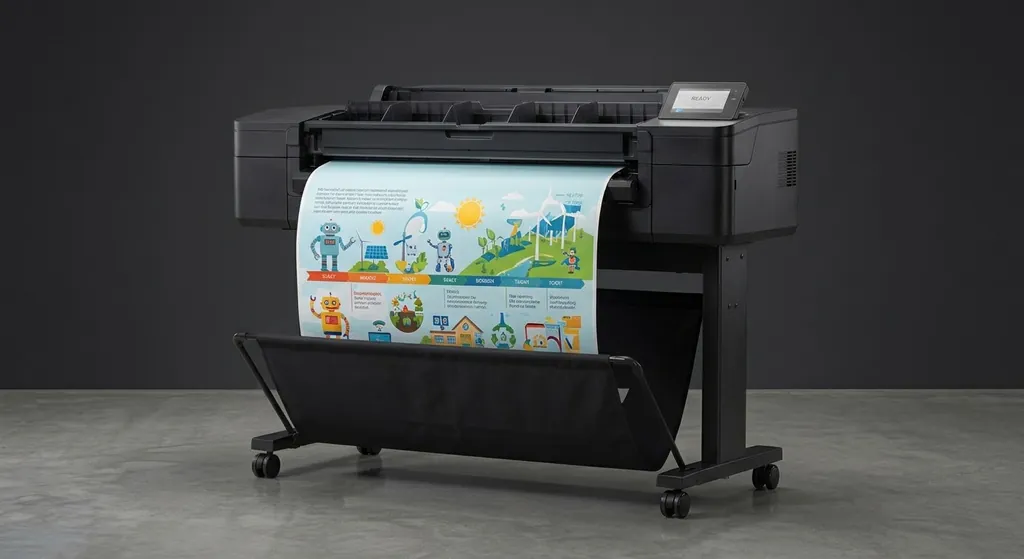

DISCOUNTED EDUCATION PRICING! CALL 1-877-891-8411. We Gladly Accept School Purchase Orders!
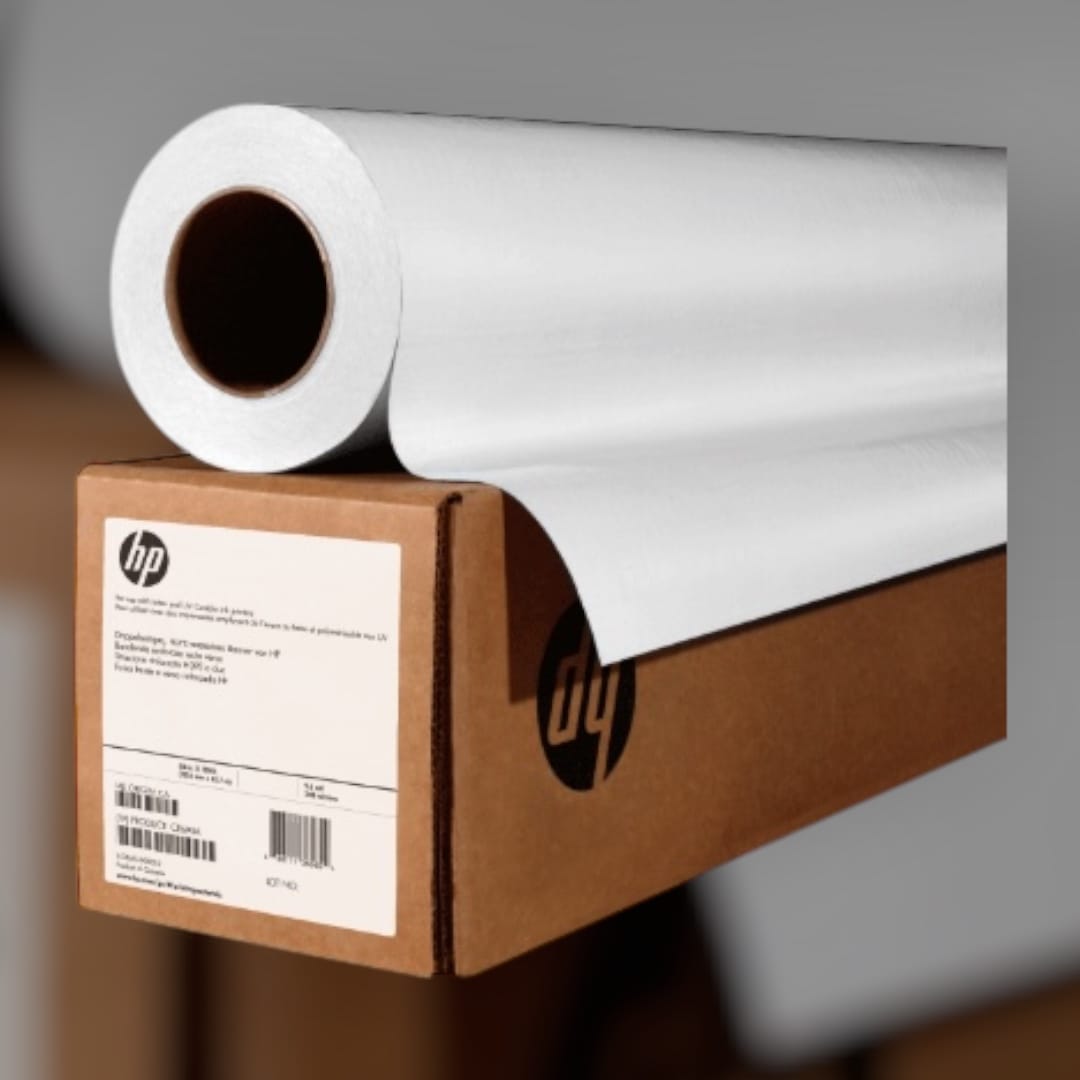
Posters are typically printed on coated or bond paper for everyday indoor displays, photo paper (gloss or satin) for picture-led work, matte paper when glare is a concern, and synthetic media such as outdoor polypropylene or adhesive-backed poly for weather-exposed or peel-and-stick signs. Canvas is a specialty option for longer-term or decorative displays. Schools using a wide-format poster printer also choose by the job and by roll width.
This guide explains the paper types and when each one fits a school project. For current rolls, widths, and ordering — including 24″, 36″, and 44″ paper (44″ by quote) — see our poster printer paper and supplies page. School purchase orders are accepted, shipping is free, and orders ship within 24 hours of your PO.
These are the finishes and media schools most often compare. Names can overlap from one product to another, so check the specific roll rather than ordering by a generic label alone.
| Paper type | What it is | Typical school uses |
|---|---|---|
| Coated and bond | Everyday indoor poster paper. Coated stock has a surface treatment that helps color and text look crisp; bond is often chosen for drafts and notices that get replaced often. Some products, such as coated bond, combine both ideas. | Classroom posters, bulletin boards, announcements |
| Matte | A low-sheen finish that reduces reflections under classroom and hallway lights. A coated paper can also have a matte finish — they are not opposites. Heavyweight matte is a thicker, no-glare option for posters you want to keep. | Anchor charts, word walls, text-heavy displays, posters you plan to laminate |
| Photo gloss | A shiny photo-style surface that makes images look vivid. That shine can also reflect windows and ceiling lights, so a sample in the display location is useful. | Team photos, student artwork, recognition displays |
| Satin photo | A photo paper with a softer sheen than high gloss — a middle ground when you want picture quality with less reflection. Satin is not completely glare-free. | Photos with captions, yearbook-style walls, displays under fluorescent lights |
| Outdoor polypropylene (poly) | A weather-resistant synthetic media, not ordinary indoor poster paper. Weather-resistant media does not make every printed image waterproof or fade-proof; confirm the printer and ink for the conditions. | Field signs, carnival and sports-day banners, outdoor event displays |
| Adhesive-backed poly | Peel-and-stick poly media. Confirm the intended surface, removal needs, and whether it is suitable for the location; do not assume it is safe for every wall or floor. | Wall graphics and hallway wayfinding, when the surface is appropriate |
| Canvas | A specialty textured media. Confirm that your exact printer can use it before you order. | Longer-term or decorative displays when a canvas look is desired |
Coated and bond papers are the everyday starting point for most indoor school posters. A coating is a surface treatment; bond describes a category of paper often used for frequent, short-lived prints. They are not always separate products: EGS Coated Bond Poster Paper is a specific bright-white coated bond roll for high-volume classroom posters, bulletin boards, and hallway signs, not a promise that every “bond” roll is the same.
Standard paper, bond, and coated bond are practical choices for everyday classroom posters and announcements. If you print a lot of drafts or notices you will replace quickly, compare a bond or standard roll before you commit to a heavier or photo stock. Current 24″ and 36″ options are listed on our poster paper rolls page.
Matte describes a low-sheen finish. For anchor charts, schedules, word walls, and other text-heavy posters, a low-sheen surface helps keep small type readable under classroom lights. When a display needs more body and you want to avoid glare, compare heavyweight coated or EGS Super Heavyweight Plus Matte Paper, a no-glare heavyweight matte that lies flat and dries quickly — a better pick for posters you want to keep up, then laminate.
“Heavyweight” is not one universal thickness, and it does not mean the paper is waterproof. Check the exact roll specification against the printer’s media limits.
Choose a photo finish when the poster is led by pictures rather than by dense text. High-gloss photo paper adds shine and can suit team photos, artwork, and recognition displays. Before printing a full set, place a sample where the finished poster will hang and look at it from students’ viewing positions — gloss can reflect windows and overhead lights.
Satin photo paper has a softer sheen than high gloss. Consider it for displays that combine photos with captions when you want a photo finish with less reflection, including under fluorescent classroom lights. Photo gloss and satin are listed in 24″ and 36″ widths on the poster paper rolls page; check that page for current options before you order.
Outdoor media is a separate choice from ordinary indoor poster paper. In the wider print industry, outdoor posters are sometimes printed on vinyl; the weather-resistant options listed for school poster printers here are Durable Outdoor Poly and Poly with Adhesive Back, available in 24″ and 36″ widths. Request a quote to order them, and confirm that your exact printer and ink can produce the result you need on that stock.
Ask about expected exposure to rain and sunlight, display duration, and mounting. Weather-resistant media does not make every printed image waterproof or fade-proof. For adhesive-backed media, also confirm the intended surface, removal requirements, and suitability for the location.
Canvas is a specialty textured media, not an everyday classroom paper. A 36″ pro matte canvas roll (50 ft) is available by quote. Tell us your printer model so we can confirm the roll will load and print correctly before you send a PO.
| School project | Paper to consider | What to check |
|---|---|---|
| Anchor charts, word walls, and classroom instructions | Matte or standard coated | Read a sample under the classroom lights; check that small text stays clear. |
| Hallway displays and open house announcements | Heavyweight coated or heavyweight matte | Compare stiffness, mounting needs, and the printer’s supported media thickness. |
| Team photos, student artwork, and recognition displays | High gloss or satin photo | Compare image detail and reflections in the actual display location. |
| Drafts and frequently replaced notices | Bond or standard paper | Test readability and color before committing to a large batch. |
| Field signs and outdoor event displays | Outdoor poly or adhesive-backed poly | Confirm printer and ink suitability, exposure conditions, and mounting method. |
| Longer-term or decorative canvas displays | Pro matte canvas (by quote) | Confirm that your exact printer can use canvas before ordering. |
A matching width is necessary, but it does not establish complete compatibility. A 36-inch roll cannot fit a printer limited to 24-inch media. A narrower roll may work in a wider printer only if the printer’s loading system and supported media specifications allow it.
The supplies page currently lists standard paper, bond, heavyweight coated, high-gloss photo, and satin photo in 24″ and 36″ widths, and outdoor poly and adhesive-backed poly in 24″ and 36″ widths. 44″ paper is available by quote or by calling 1-877-891-8411. Other specialty 36″ lengths, including pro matte canvas, need to be confirmed for the particular product; not every paper comes in every width.
Roll width is not the same as the finished poster’s dimensions. Orientation, margins, and trimming affect the result. Use the school poster size guide to plan the display, then confirm your printer’s printable area.
List the posters you expect to print by finished size, quantity, and paper type. Include test prints, trimming, and occasional reprints rather than treating the roll’s full area as usable output.
For planning, one 24″ roll of our coated poster paper produces approximately 40 full-size school posters — enough for most classrooms for the better part of a year. Yields vary by poster size, paper type, and trimming, so treat that figure as a planning estimate and ask us if you need help sizing an order.
Compare total ink and paper use, not just the price of one roll. Our cost to print school posters guide explains the budgeting approach. Keep current roll prices, bundle offers, and quote details on the current school poster paper options page rather than relying on an older article.
Print a small representative sample with text, solid color, and any photos your project uses. Review the sample at the intended viewing distance and under the display lighting. Follow the media and ink guidance for drying before handling, mounting, or laminating.
Check laminate and media compatibility before committing to a batch; neither hot nor cold lamination is automatically suitable for every print. Cold laminate is the usual pick when hallway signs need to last. Compare methods in our cold vs hot lamination guide.
Keep unused rolls protected in their packaging and follow the supplier’s storage guidance. Avoid damp locations and damaged roll edges.
Most school posters are printed on coated or bond paper for everyday indoor displays, matte paper for low-glare text, photo gloss or satin for picture-led work, and outdoor poly or adhesive-backed poly for weather-exposed or peel-and-stick signs. Canvas is a specialty option available by quote. Choose by the project, the lighting, and what your printer can use.
Start with matte or a low-sheen coated paper for text-heavy classroom displays. Consider gloss for photo-led work, then test for reflections where it will hang. The right choice depends on the project and lighting.
Coated describes a surface treatment that helps color and text look crisp. Bond is a paper category often used for drafts and notices you replace often. Some rolls, including our coated bond paper, combine both. Compare the specific product rather than ordering by the word “coated” or “bond” alone.
Use a weather-resistant synthetic media, not ordinary indoor poster paper. Durable Outdoor Poly and adhesive-backed poly are the outdoor-rated options listed for these printers. Confirm the printer, ink, exposure, and mounting, and request a quote to order.
No. Check core size, roll diameter, media thickness, loading requirements, and ink compatibility as well as width. Ask for confirmation using your exact printer model and the selected roll.
No. Weight and thickness do not establish outdoor suitability. Choose a verified media-and-ink combination for the intended conditions.
One 24″ roll of our coated poster paper produces approximately 40 full-size school posters. Divide your poster goal by 40 and round up, then add a little for tests and reprints. For other sizes or paper types, or for a paper package, see the supplies page or ask us to recommend a quantity.
Have the printer model, desired roll width, project type, display location, and estimated quantities ready. Compare the current school poster paper options and request a quote if you want help confirming the right match before you send a PO.
Once you have chosen a type, compare current rolls and bundles on our poster printer paper and supplies page, or request a quote. We accept school purchase orders, shipping is free, and every order ships within 24 hours of your PO. Education Graphic Solutions is on TIPS contract #240804. Call 1-877-891-8411.