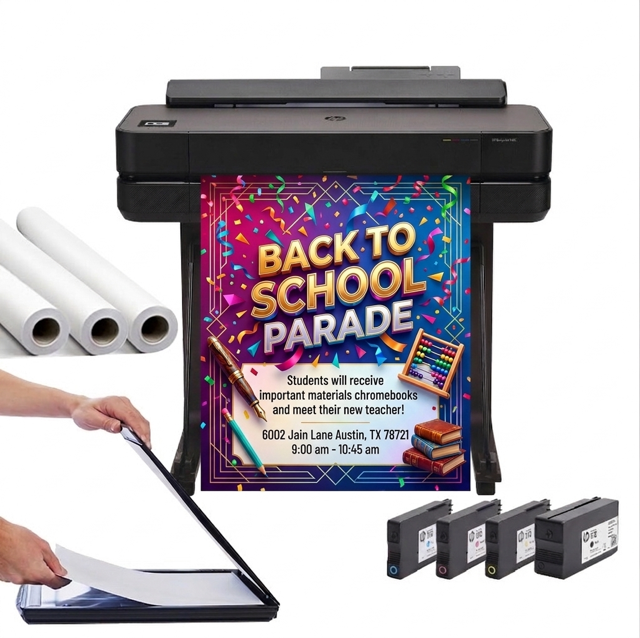

DISCOUNTED EDUCATION PRICING! CALL 1-877-891-8411. We Gladly Accept School Purchase Orders!

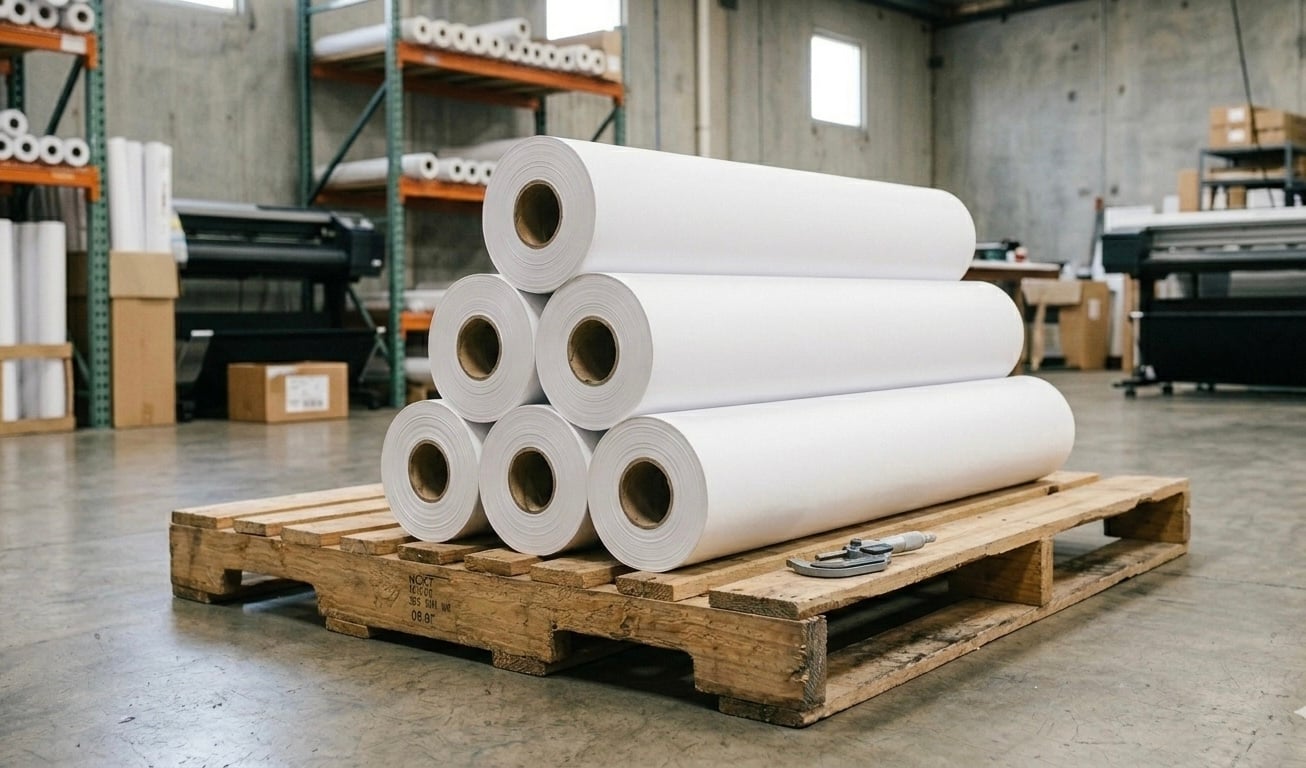
Poster paper might seem simple—just a roll of paper for printing posters. But in reality, the type, weight, coating, and durability of your poster paper determines print quality, ink performance, and how long your posters last in classrooms, hallways, labs, and school offices.
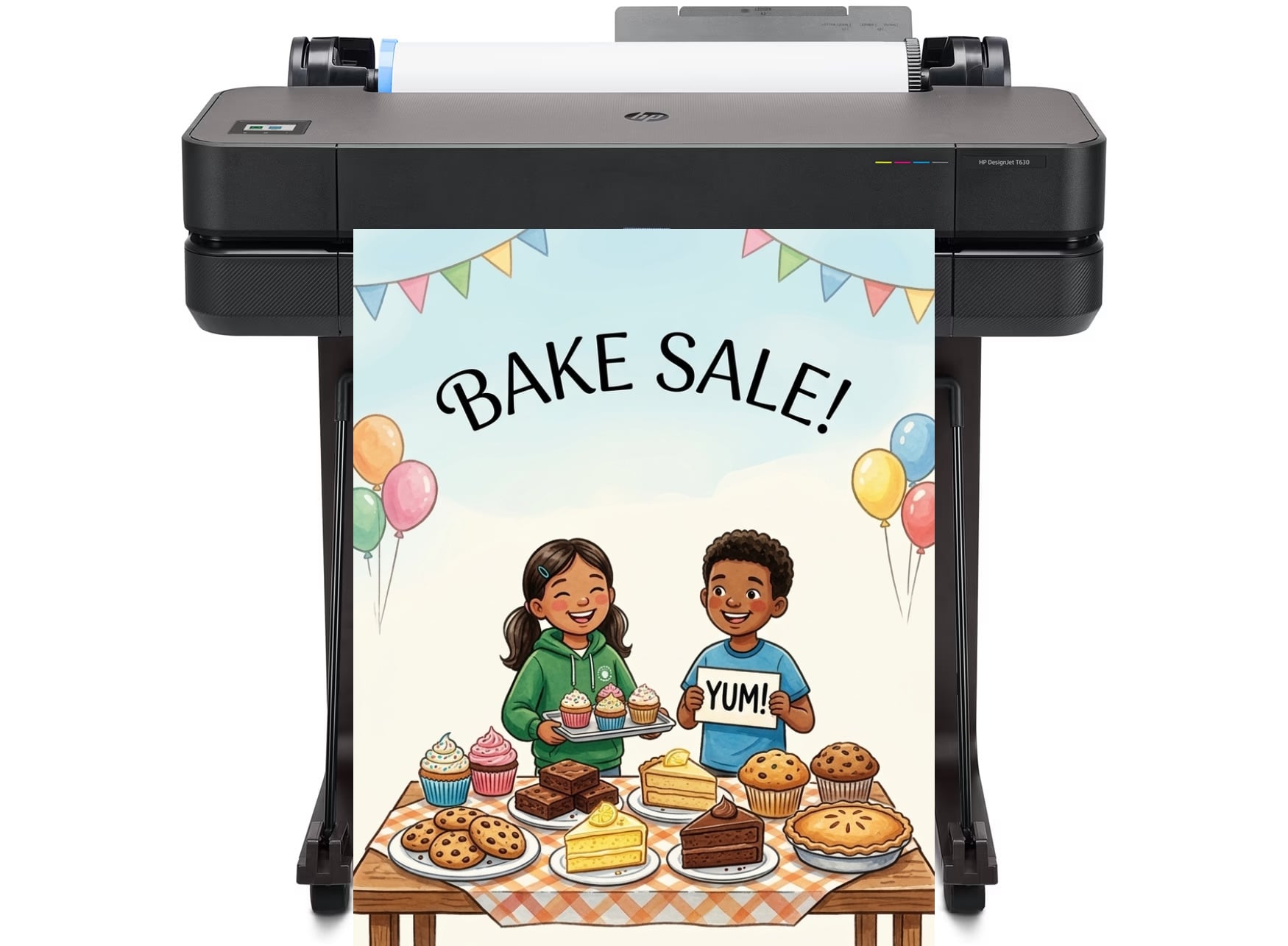
In schools using wide-format poster making machines or a poster printer machine, choosing the right poster paper is just as important as choosing the printer itself. The good news? Once you understand what poster paper is and how it works, making the right choice becomes easy.
Poster paper is a wide-format, high-quality printing material designed for vibrant, oversized educational posters, classroom visuals, bulletin boards, hallway displays, and signage produced on a poster making machine.
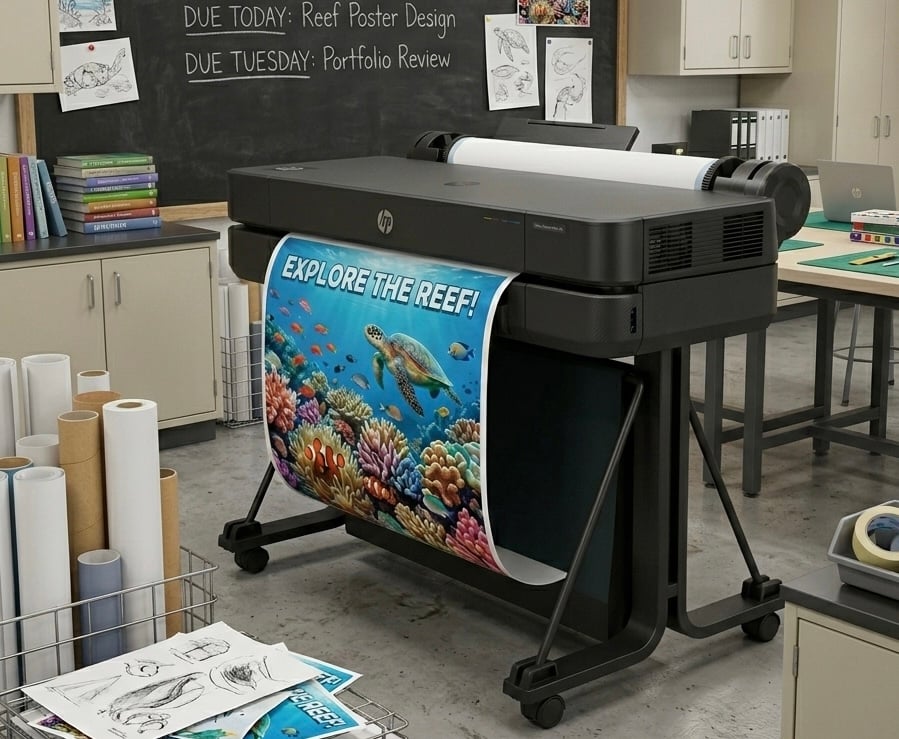
Schools print more posters today than ever before—SEL visuals, safety signage, literacy walls, science diagrams, math anchor charts, and event announcements. With this level of use, you need paper that produces sharp text, bright color, and long-lasting durability.
And if you’re using the Education Graphics Poster Maker (the best poster maker for schools), the right poster paper unlocks its full potential.
Matte poster paper is the workhorse of classroom and hallway printing.
Why educators love it:
Best for:
Snippet:
Matte poster paper is the #1 choice for schools using a wide-format poster printer machine because it delivers high-quality visuals at the best value per print.
Gloss poster paper provides a shiny, high-contrast finish that pops.
Why schools use gloss paper:
Best for:
Note: Gloss paper can reflect light, so it’s less ideal for instructional charts used under classroom lighting.
Designed for durability, this paper is thicker and more resistant to tearing.
Why schools choose heavyweight:
Best for:
These papers are actually synthetic materials—waterproof, wipeable, and nearly indestructible.
Best for:
Schools with wide-format poster making machines often use this paper for safety signage because it lasts years without fading.
Poster paper weight is measured in GSM (grams per square meter).
Here’s the quick breakdown:
Snippet:
For most school-wide printing on a poster printer machine, 150–180 GSM matte paper provides the perfect balance of strength and affordability.
Wide-format poster makers rely on paper that feeds smoothly, holds ink correctly, and stays flat after printing. When you use high-quality poster paper:
Inferior poster paper causes:
If your school is using the Education Graphics Poster Maker—the top poster maker for schools—its print system is optimized for high-quality matte and synthetic poster papers.
Poster paper typically comes in two categories:
Coated papers include:
These coatings improve ink adhesion, giving you better color and sharper detail. Coated is the preferred option for almost all school-printed content.
This behaves more like traditional printer paper—absorbent, softer, and less crisp.
Best for:
Most wide-format poster machines (especially in education) rely on coated poster paper.
Throughout the blog, we integrated SEO-friendly long-tails such as:
Poster lifespan depends on:
Typical longevity in schools:
You print mostly educational content and want the best readability.
You want the brightest colors for marketing or events.
Your posters live in places where students frequently touch or bump them.
You need waterproof, tear-resistant signage or long-term hallway displays.
Pro Tip:
Schools using the Education Graphics Poster Maker from Education Graphic Solutions will get the best results from matte coated 150–180 GSM poster paper for everyday printing.
For everyday classroom and hallway prints, the best all-around poster paper for wide-format poster making machines is matte coated 150–180 GSM paper.
Poster paper is far more than basic paper on a roll—it’s a specialized, wide-format printing material engineered to deliver crisp detail, vivid color, and long-lasting durability for the posters schools rely on every single day. The type of poster paper you choose directly influences how your visuals look, how they withstand hallway traffic, and how well they support learning in classrooms.
From early literacy anchor charts to science diagrams, SEL signage, lab safety posters, event announcements, fundraising materials, and hallway culture walls, schools produce an enormous range of visuals. Each category demands a slightly different paper performance—which is why choosing the right poster paper matters so much. Matte papers offer clean readability, gloss finishes create maximum color pop, heavyweight options boost durability, and synthetic waterproof materials deliver multi-year resilience in tough environments.
For schools using a wide-format poster making machine—and especially those using the industry-leading Education Graphics Poster Maker, the best poster printer machine for schools—the highest quality results come from coated poster paper in the 150–180 GSM range. This weight delivers professional print clarity without curling, bleeding, or warping, ensuring every poster looks sharp from the moment it comes off the printer to the day it’s removed from the wall.
Understanding what poster paper is—and how each type behaves—empowers schools to make smarter purchasing decisions, reduce wasted prints, extend poster life, and consistently produce beautiful, durable, educational visuals that support learning, communication, and school culture.