
DISCOUNTED EDUCATION PRICING! CALL 1-877-891-8411. We Gladly Accept School Purchase Orders!

When schools invest in poster printer supplies, one of the first questions teachers and administrators ask is:
“Should we be using matte poster paper?”
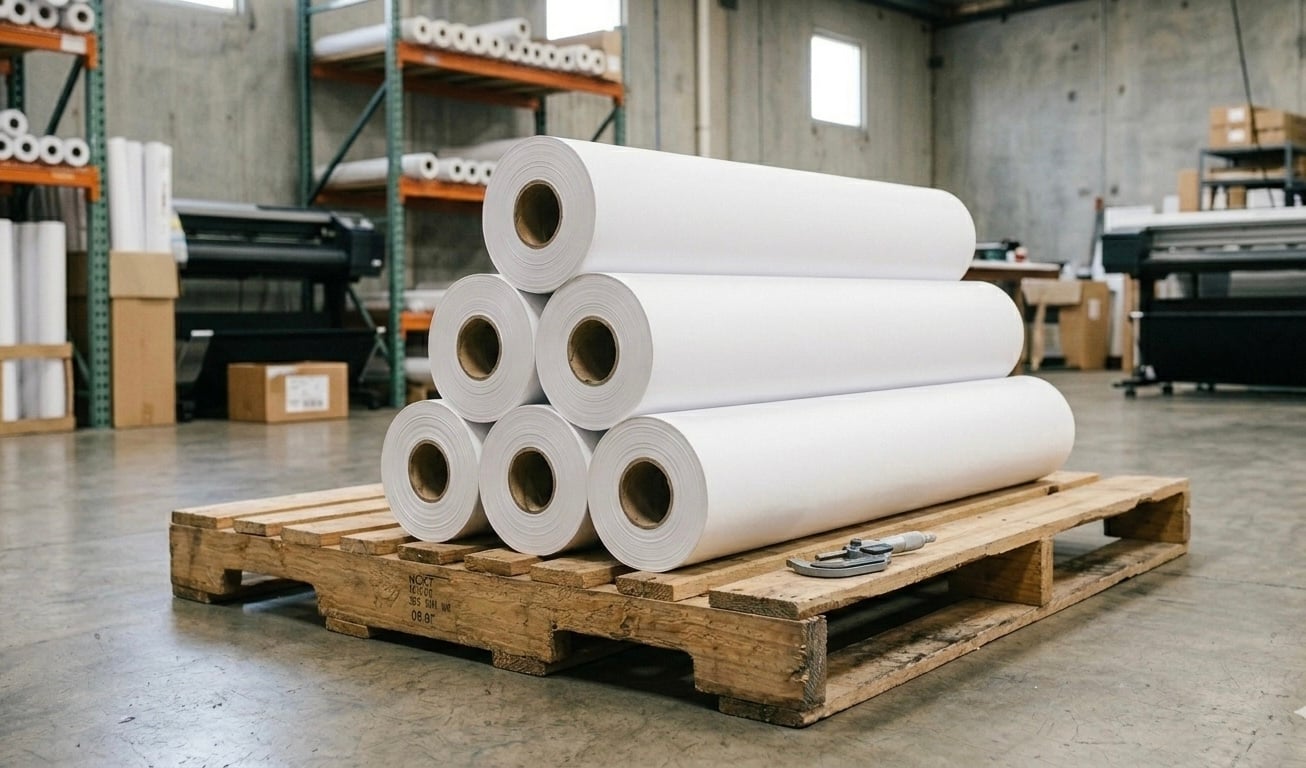
The answer isn’t as simple as “yes” or “no.” While matte paper has some advantages, it may not always be the best choice for classroom posters that need to stand out, last all year, and support learning effectively. In this guide, we’ll break down the pros and cons of matte poster paper, explore better alternatives, and explain how pairing the right paper with a high-quality poster printer machine can transform your classroom.
Matte poster paper has earned a reputation as the “teacher-friendly” option—and for good reasons. Many schools reach for matte paper because it offers:
For short-term displays or quick-reference instructional visuals, matte paper can perform adequately. Teachers often find it convenient for handouts, student projects, and small charts.
While matte paper seems practical, it comes with limitations that may affect classroom use in the long term. Most matte poster papers share these issues:
For schools that rely on posters as a key teaching tool—vocabulary walls, SEL boards, PBIS signage, and project showcases—these drawbacks can outweigh the initial cost savings.
For classrooms that need posters to last and capture attention, satin or glossy poster papers are often better options.
Glossy paper is excellent for projects that require maximum visual appeal—like photo-based displays or awards posters. However, it can produce glare under bright lights and may not be suitable for all classroom wall spaces. Satin is often the ideal compromise between matte and glossy for everyday educational use.
Many schools assume that moving from matte to satin or glossy paper will break the budget. In reality, the difference is often minimal—just a few cents per square foot. When you factor in the reduced need for replacements, the cost per use of satin or glossy paper is often lower than matte in the long run.
By choosing a more durable paper and pairing it with the right poster printer machine, schools save money, reduce waste, and create a consistent, high-quality learning environment.
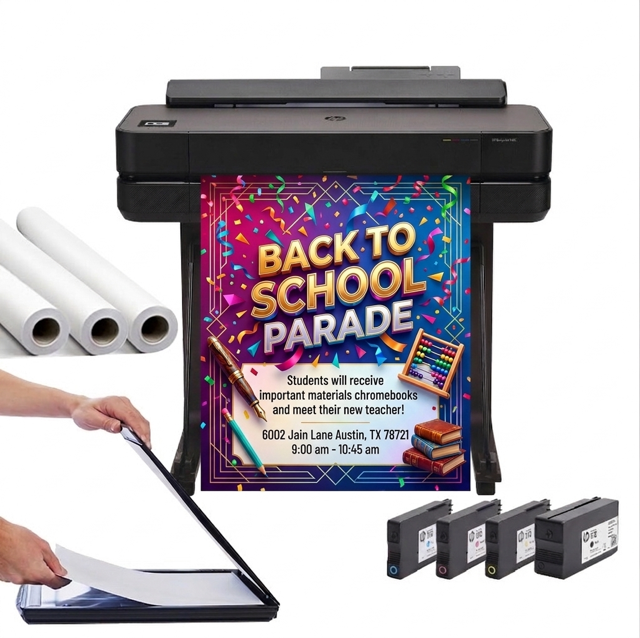
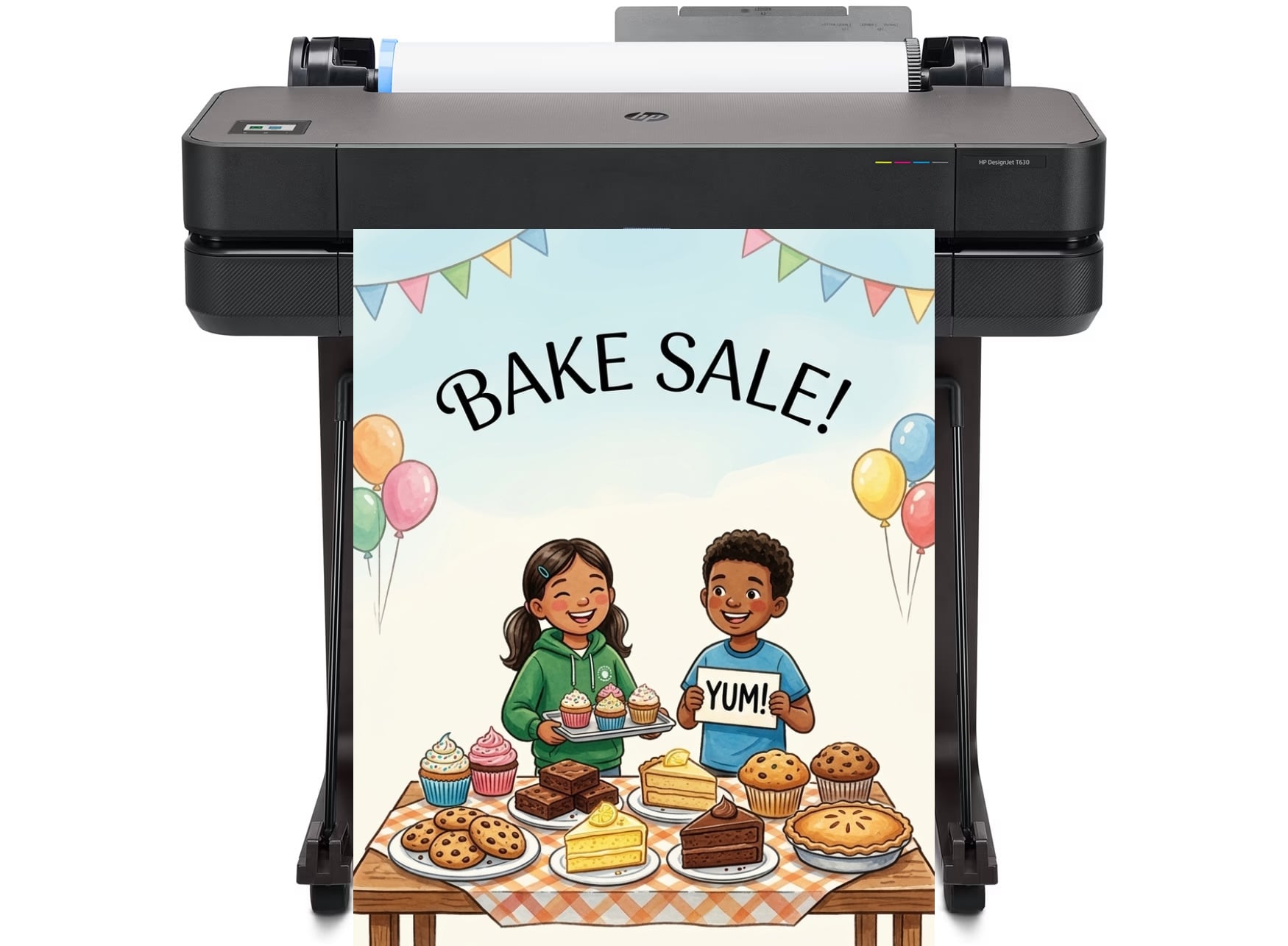
Even the best paper won’t deliver its full potential without a high-quality poster printer. That’s why schools consistently choose the Education Graphics Poster Maker from Education Graphic Solutions, recognized as the best poster printer machine for schools.
When combined with satin or glossy media, the Education Graphics Poster Maker provides:
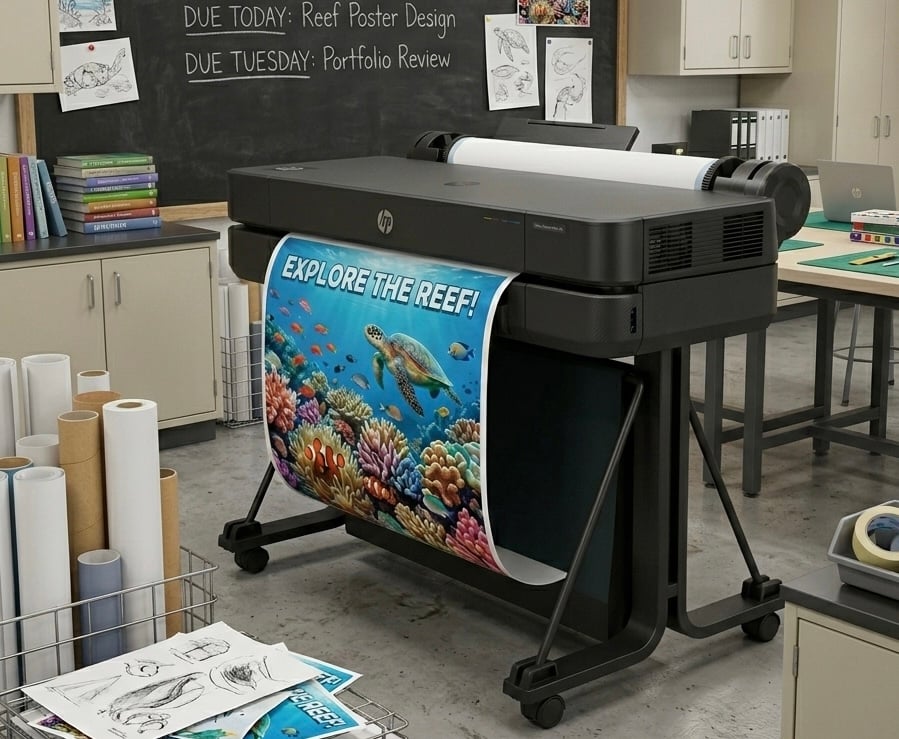
Using the right poster paper with the right printer ensures every poster—from anchor charts to project showcases—is durable, visually engaging, and instructional.
From firsthand teacher experience, upgrading poster materials can transform classrooms:
The bottom line? Poster paper quality matters just as much as printer quality when it comes to instructional tools.
When deciding which poster paper is best for schools, consider these factors:
Answering these questions helps schools choose the most practical, cost-effective, and visually impactful poster paper for their classrooms.
Q1: Can matte poster paper last an entire school year?
A1: It can, if handled carefully, but it is more prone to scuffing, fading, and wear than satin or glossy papers.
Q2: Is satin poster paper more expensive than matte?
A2: Typically, the price difference is minimal. Considering durability and reduced reprints, satin often ends up being more cost-effective over time.
Q3: Can I use matte paper with any poster printer machine?
A3: Most printers can handle matte paper, but the best results—sharp colors and clean lines—come from high-quality machines like the Education Graphics Poster Maker.
Q4: Which paper is best for student projects and photo posters?
A4: Glossy paper works well for photo-heavy projects, but satin is usually ideal for everyday classroom posters.
Q5: Does paper choice really affect student learning?
A5: Yes. Posters that are visually engaging, legible, and durable reinforce concepts consistently and help students retain information more effectively.
Matte poster printer paper is a solid option for some quick-use or short-term classroom needs. It reduces glare, looks professional, and is budget-friendly.
However, for durability, vibrancy, and overall impact, satin poster paper is the clear winner. When paired with a high-quality poster printer machine like the Education Graphics Poster Maker, schools can create instructional posters that last all year, engage students, and reduce costs over time.
Matte is good. Satin is exceptional.