
DISCOUNTED EDUCATION PRICING! CALL 1-877-891-8411. We Gladly Accept School Purchase Orders!
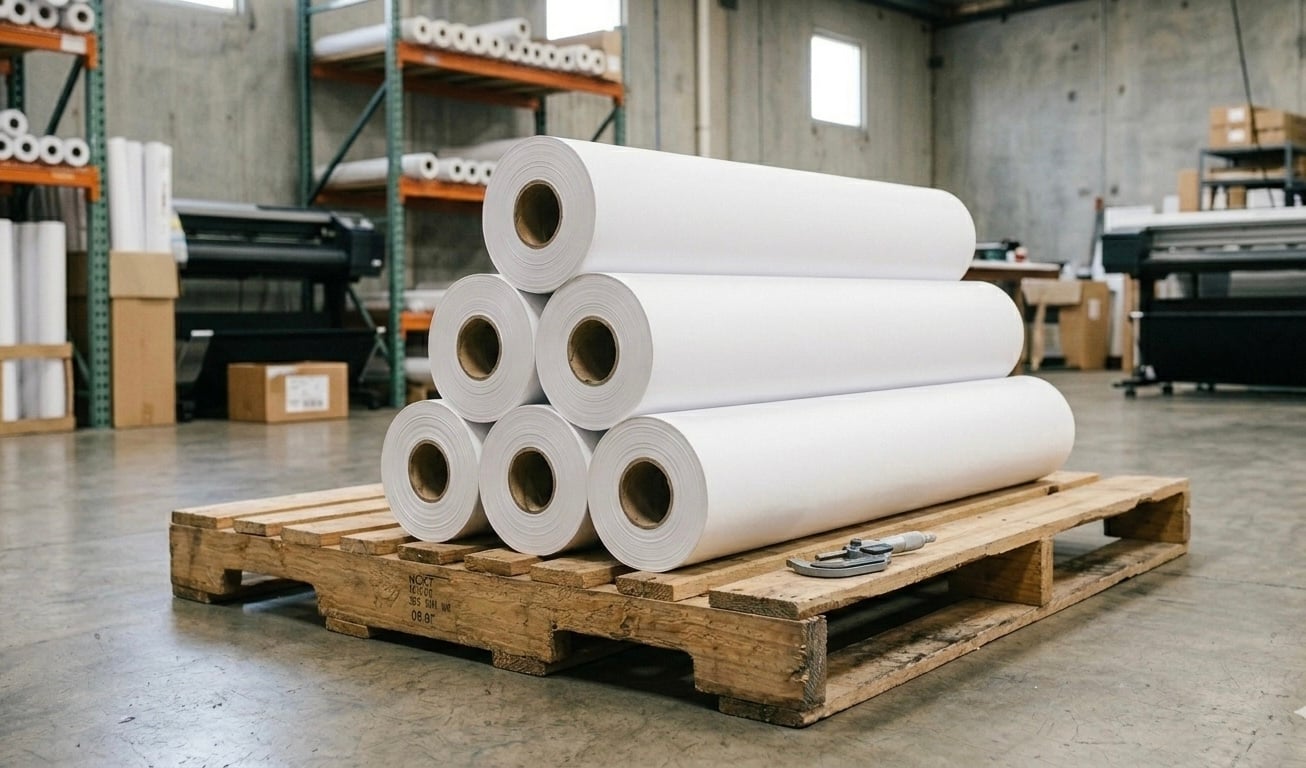
If you ask teachers what matters most when printing classroom posters, most will say the poster printer machine. That makes sense—hardware is visible and tangible. But behind every vibrant hallway display or eye-catching classroom visual is something equally important: poster paper.
Poster making paper is the foundation of every successful print. Even the best poster printer in the world cannot produce professional-quality posters if the paper is low quality, incompatible, or poorly optimized for education environments.
For schools that rely on poster makers daily, understanding poster paper isn’t just a technical detail—it’s the difference between professional, durable educational visuals and faded prints that curl on the wall after a week.
In this article, we’ll break down how poster maker paper impacts print quality, durability, and long-term cost—and how schools can choose the right combination of poster printer machine and paper for the best results.
Schools today print posters for everything:
• classroom anchor charts
• hallway displays
• science diagrams
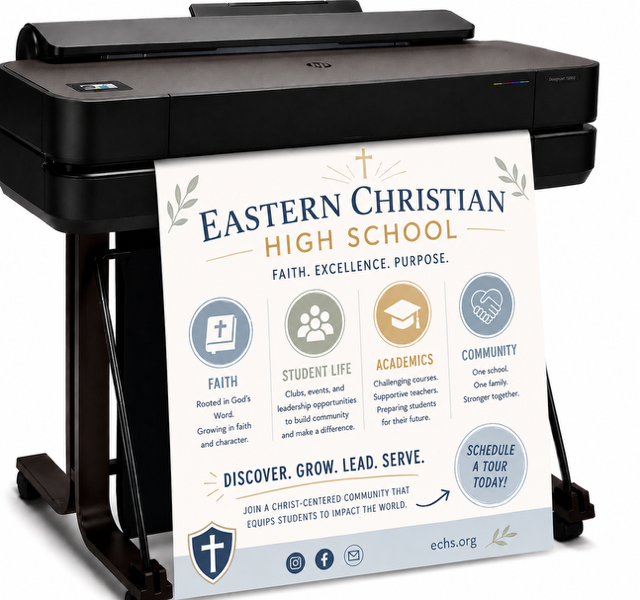
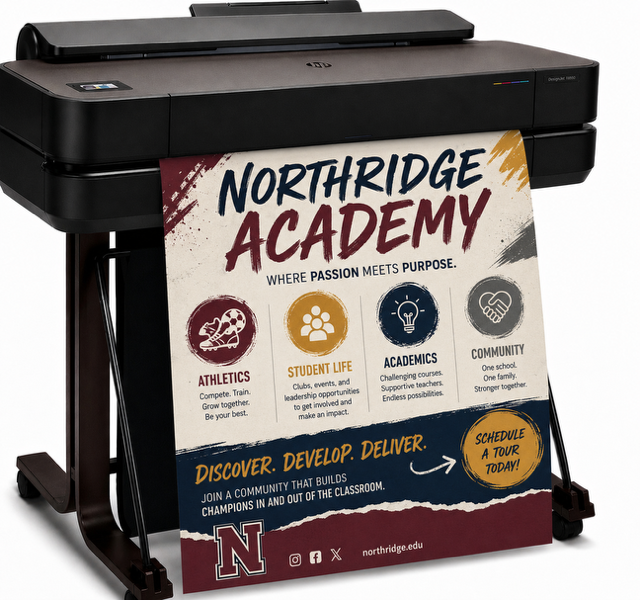
• school announcements
• historical timelines
• math visual aids
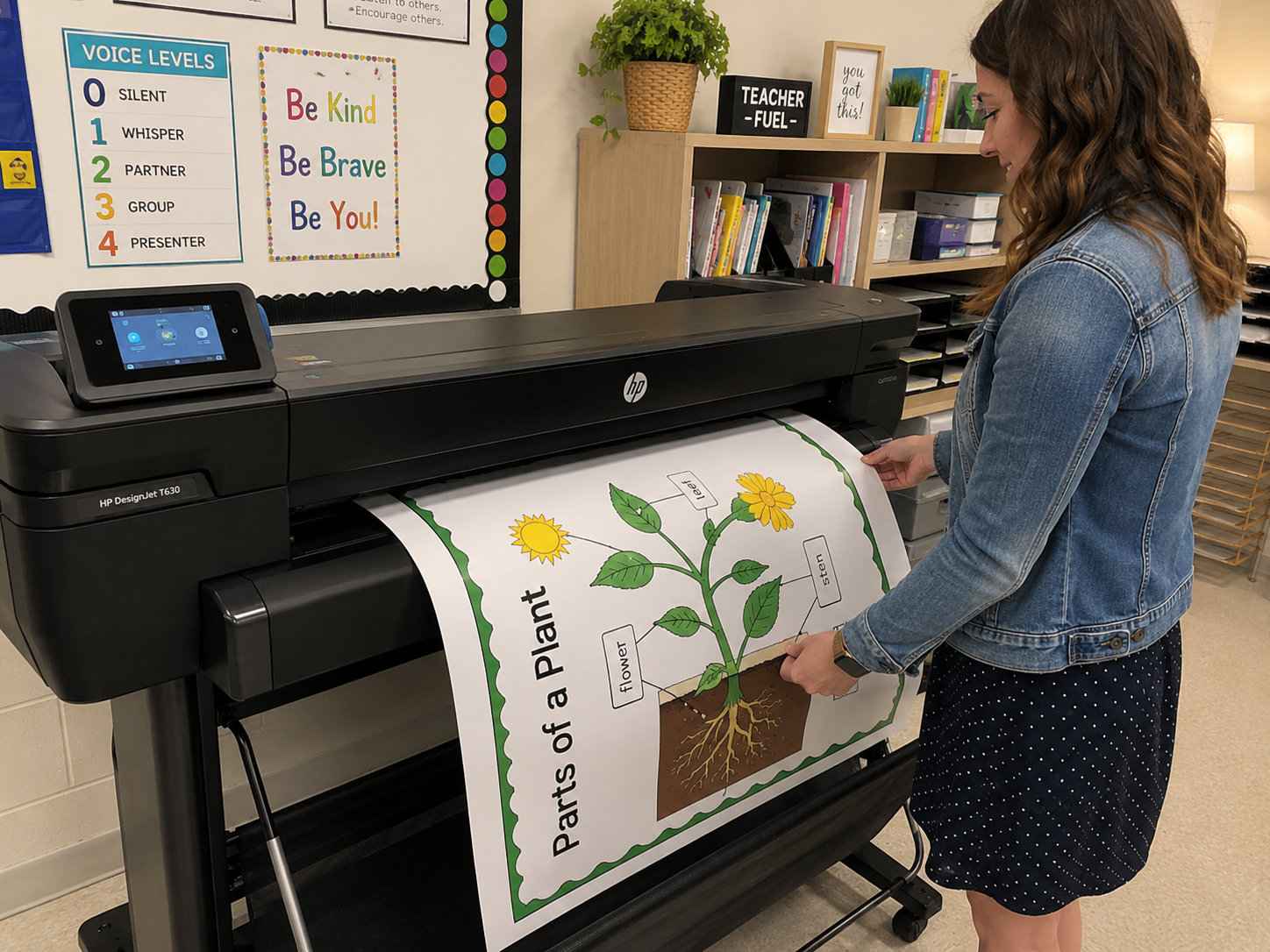
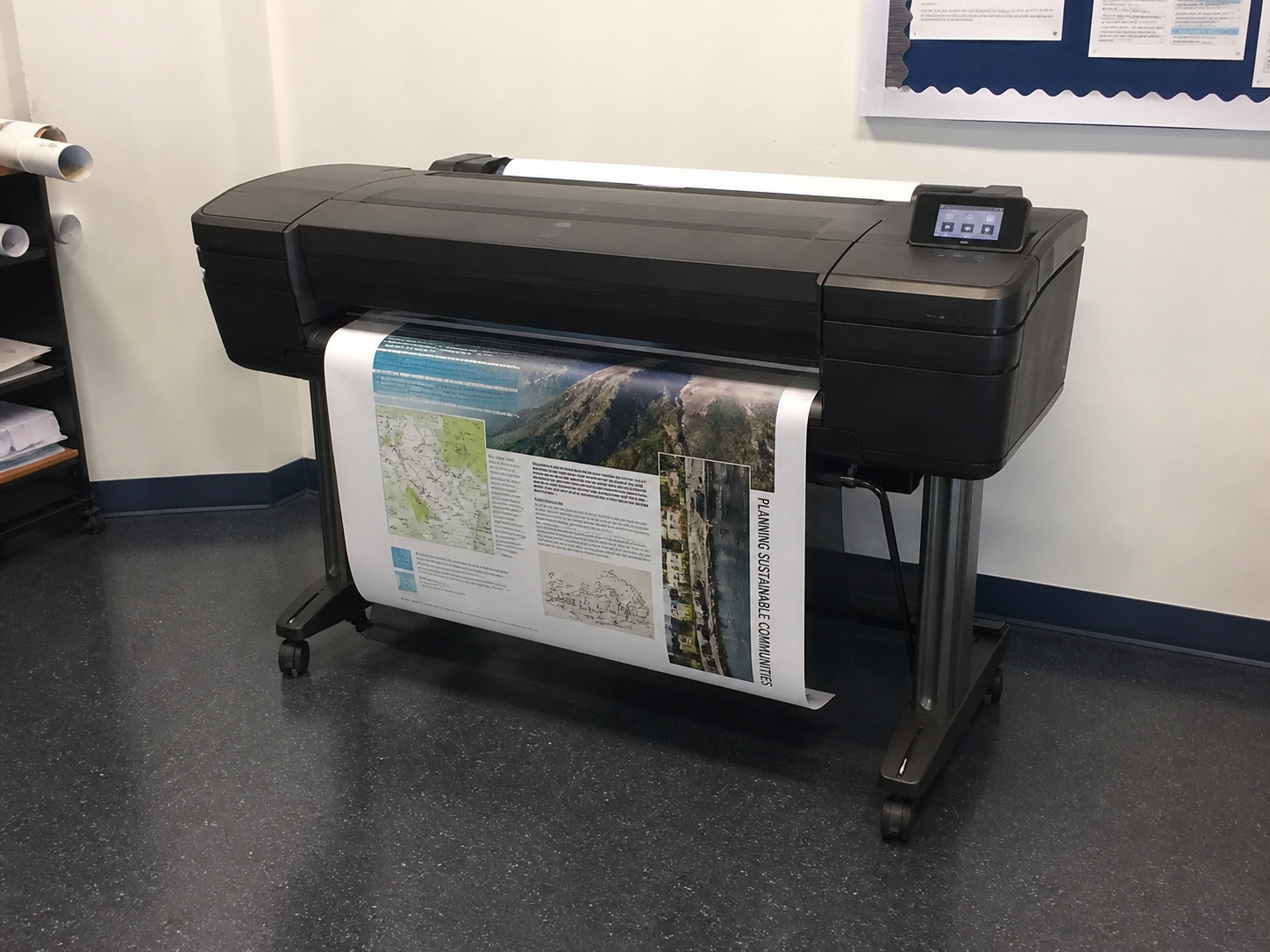
Teachers rely on posters to create visual learning environments, and many schools now use in-house poster printers instead of outsourcing prints to copy shops.
But there’s a critical detail many buyers overlook when purchasing a poster printer machine: poster making paper compatibility and cost.
The truth is simple.
A poster printer machine is only as good as the paper it prints on.
Poster printer paper determines:
• color vibrancy
• ink absorption
• durability
• curl resistance
• cost per poster
• lamination compatibility
When schools choose the wrong poster paper, they often experience faded images, ink bleeding, or posters that warp within days.
That’s why the most successful school printing programs start with a paper-first mindset.
Not all paper is created equal.
Standard printer paper is typically 20 lb bond paper, designed for text documents. Poster paper, on the other hand, is engineered specifically for large-format graphics and educational visuals.
High-quality poster paper includes several unique characteristics:
Poster paper typically ranges from 24 lb to 36 lb weight, making it thicker and more durable than standard office paper.
This added thickness helps posters:
• hang flat on walls
• resist tearing
• maintain structural integrity over time
For schools printing large educational visuals, heavier poster maker paper ensures posters remain usable for months—or even years.
Poster maker machines use specialized inks designed for large-format graphics.
Poster paper is engineered with coatings that:
• absorb ink evenly
• prevent smudging
• preserve vibrant colors
• reduce bleed-through
This is especially important when printing photos, maps, or detailed diagrams.
One of the biggest frustrations teachers experience with cheap poster paper is curling.
Low-quality paper tends to roll back up after printing, making posters difficult to mount or laminate.
High-quality poster paper includes moisture-resistant layers that help posters remain flat and stable, even in humid school environments.
Most schools laminate posters so they can be reused year after year.
Poster paper must be compatible with cold lamination, allowing the laminate film to adhere smoothly without bubbling or wrinkling.
Without the right paper, lamination can actually ruin a print.
Many schools assume that poster paper is interchangeable between machines.
It’s not.
Poster printer machines are designed to operate within specific paper width, roll length, and core size requirements.
For example, many school poster makers use:
• 24-inch wide poster paper rolls
• 150-foot roll lengths
• specialized ink absorption coatings
Using the wrong paper can cause:
• print head clogging
• paper jams
• color distortion
• increased ink usage
That’s why schools should always ensure their poster printer machine and poster paper are designed to work together.
When the two are optimized as a system, schools get:
• sharper graphics
• lower ink usage
• fewer printing errors
• longer-lasting posters
Many schools focus heavily on the upfront cost of a poster printer machine.
But the real long-term cost of printing posters comes from consumables—especially poster printing paper.
Let’s break down a typical school printing scenario.
A standard 150-foot poster paper roll produces approximately:
75 full-size 24×36 posters
That means schools can calculate cost per poster easily.
For example:
• Paper roll cost: $60
• Posters per roll: 75
Cost per poster for paper = $0.80
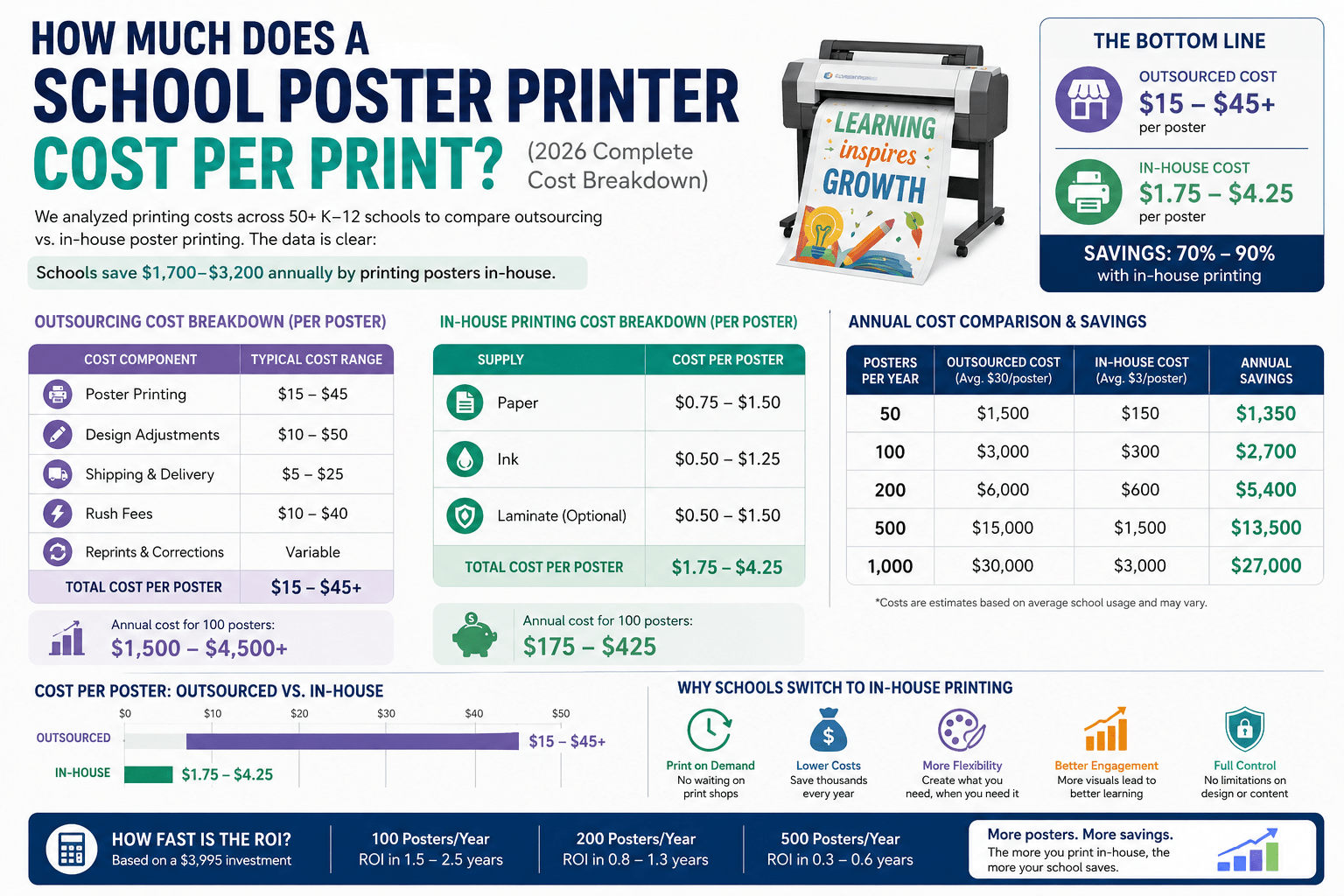
When combined with ink, many schools print posters for under $2 each, compared to $20–$40 per poster at local print shops.
For districts printing hundreds of posters each year, the savings become significant.
Over the past decade, schools have increasingly invested in poster printer machines for in-house printing.
There are three main reasons.
Teachers often need posters quickly.
Waiting days for outside print shops simply doesn’t work for classroom planning.
With an in-house poster printer machine, posters can be printed within minutes.
Outsourcing posters can become expensive.
Many print shops charge:
• $25–$40 per poster
• extra fees for lamination
• rush order charges
In-house printing allows schools to produce posters for a fraction of the cost.
When teachers have access to a poster maker, creativity explodes.
They begin printing:
• custom anchor charts
• student work displays
• motivational posters
• custom classroom visuals
Instead of relying on generic educational posters, teachers create tailored visuals that match their lesson plans.
While poster making paper is crucial, the wide-format printer itself still matters.
Schools need poster printers that are:
• easy to use
• affordable to operate
• reliable in busy environments
• designed specifically for education
Many large-format printers are designed for architects or graphic designers—not schools.
The Education Graphics Poster Maker stands out as the best poster maker for schools because it was specifically designed for the education market.
Unlike traditional wide-format printers, it focuses on:
• simple teacher-friendly operation
• affordable poster paper and ink supplies
• consistent poster output for classroom use
When paired with the right poster paper rolls, it allows schools to produce professional-quality posters quickly and affordably.
For schools looking to invest in a poster printer machine, choosing one that is designed specifically for educational environments is essential.
When selecting poster paper, schools should evaluate several factors.
Heavier paper produces more durable posters.
For classroom use, 24 lb or heavier poster paper is ideal.
Longer rolls reduce replacement frequency.
The most common roll length for school poster printers is 150 feet.
Most poster printer machines designed for schools use 24-inch wide paper rolls, which accommodate common poster sizes such as:
• 18×24
• 24×36
• banners and hallway displays
Paper coatings must match the ink system used by the poster printer machine.
Incompatible paper can lead to faded colors or poor image clarity.
Even schools with poster printers sometimes struggle with print quality due to paper choices.
Here are the most common mistakes.
Ultra-cheap paper often leads to:
• faded prints
• curling edges
• ink bleeding
The small savings quickly disappear when posters must be reprinted.
Some schools attempt to run regular printer paper through poster printer machines.
This typically causes:
• ink oversaturation
• tearing
• poor image quality
Poster printer machines require specialized poster paper rolls.
If posters will be laminated, the paper must support cold lamination.
Otherwise, bubbles and wrinkles can appear during the lamination process.
Teachers often reuse posters for years.
Quality poster paper plays a major role in longevity.
High-quality poster paper helps posters resist:
• fading
• tearing
• moisture damage
• curling edges
When paired with lamination, posters can remain usable for multiple school years.
For districts printing curriculum visuals or classroom anchor charts, this durability dramatically increases value.
Visual learning continues to grow in importance.
Modern classrooms rely on visuals to support:
• differentiated learning
• visual memory retention
• classroom engagement
As a result, poster printer machines are becoming standard equipment in many schools.
But as more schools adopt poster printing programs, administrators are realizing something important:
The quality of poster maker paper directly impacts the success of those programs.
High-quality paper ensures that every poster printed is:
• vibrant
• durable
• professional-looking
• classroom-ready
Poster printing typically uses 24-inch wide poster paper rolls designed for large-format printers. These papers are thicker than standard office paper and include coatings that improve ink absorption and color vibrancy.
A standard 150-foot poster paper roll typically produces about 75 full-size posters depending on the size being printed.
No. Poster printer machines require specialized poster paper designed for large-format printing and proper ink absorption.
Generally, yes. Heavier poster paper is more durable, resists curling, and produces higher-quality prints.
Many schools laminate posters using cold lamination so they can reuse them year after year.
When schools search for the best poster printer machine, they often focus entirely on the printer itself.
But the truth is that poster paper is the foundation of every great poster.
The right poster printer paper improves:
• color quality
• durability
• ease of lamination
• cost per poster
For schools that want vibrant classroom visuals and professional hallway displays, the combination of a high-quality poster printer machine and optimized wide-format paper is essential.
And when schools pair the right poster paper with the Education Graphics Poster Maker —the best poster maker for schools—they gain a powerful tool for creating engaging educational environments.
Because in modern classrooms, great learning often starts with a great poster.