
DISCOUNTED EDUCATION PRICING! CALL 1-877-891-8411. We Gladly Accept School Purchase Orders!
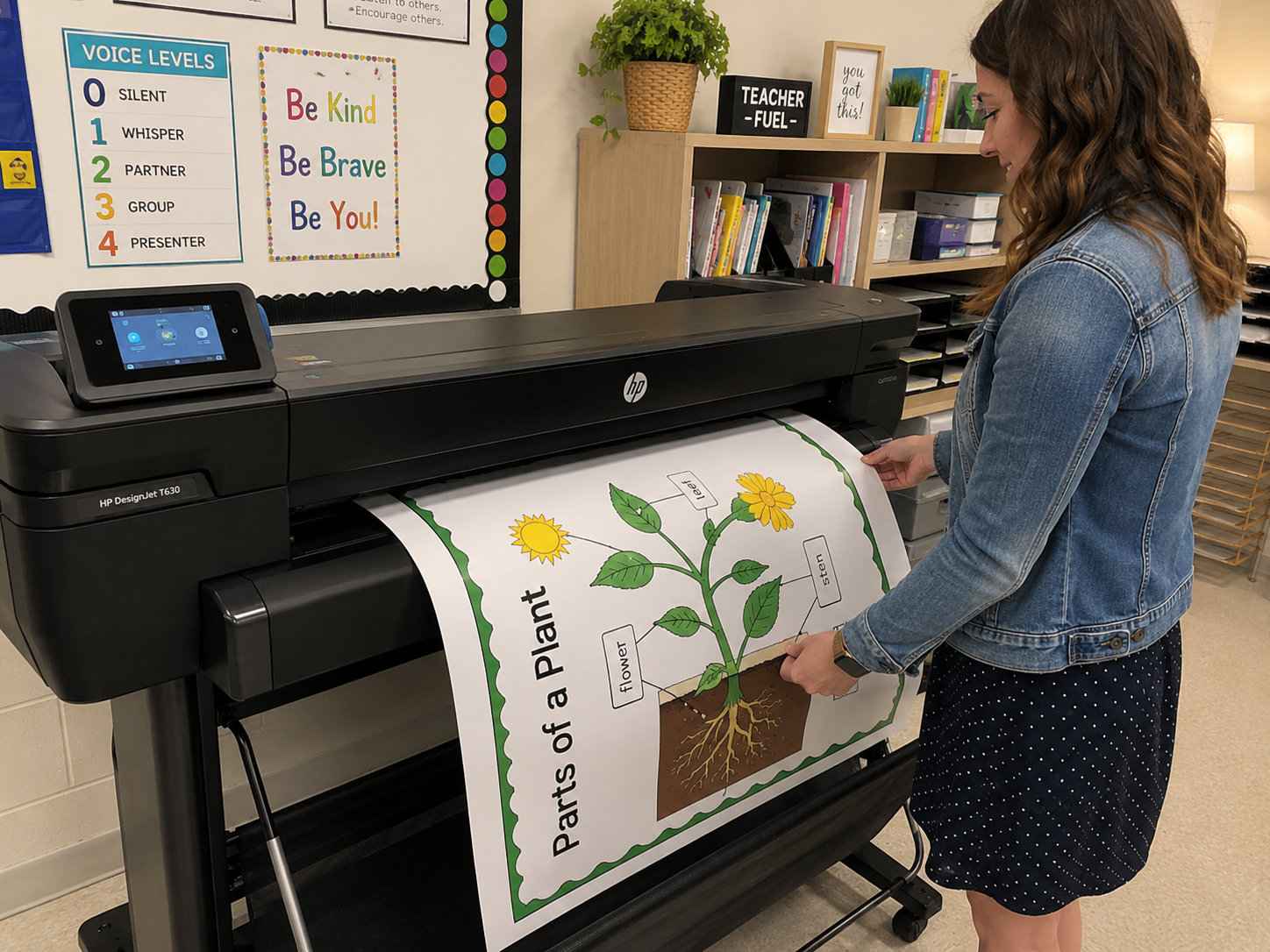
An anchor chart is a visual instructional reference created to support ongoing classroom learning.
Unlike temporary worksheets or slides, anchor charts remain visible in the classroom so students can continuously reference important concepts independently.
Teachers commonly use anchor charts for:
Effective anchor charts simplify complex information into visually organized learning supports students can quickly understand.
Anchor charts are effective because they combine three critical instructional principles:
Students retain information more effectively when concepts are paired with visuals.
Large, easy-to-read classroom charts help reinforce:
This is especially important for younger learners and visual learners.
Students perform better when they don’t need to constantly memorize procedural information.
Anchor charts act as permanent cognitive supports that reduce mental overload during lessons.
For example:
Instead of repeatedly asking the teacher, students reference the chart.
When anchor charts remain visible, instructional language becomes more consistent throughout the year.
Teachers can continually refer back to:
This consistency strengthens long-term retention.
Traditional handwritten charts work well — but they require significant teacher time.
Many teachers spend hours:
Handmade charts also create challenges with:
As classroom demands increase, schools are looking for more scalable solutions.
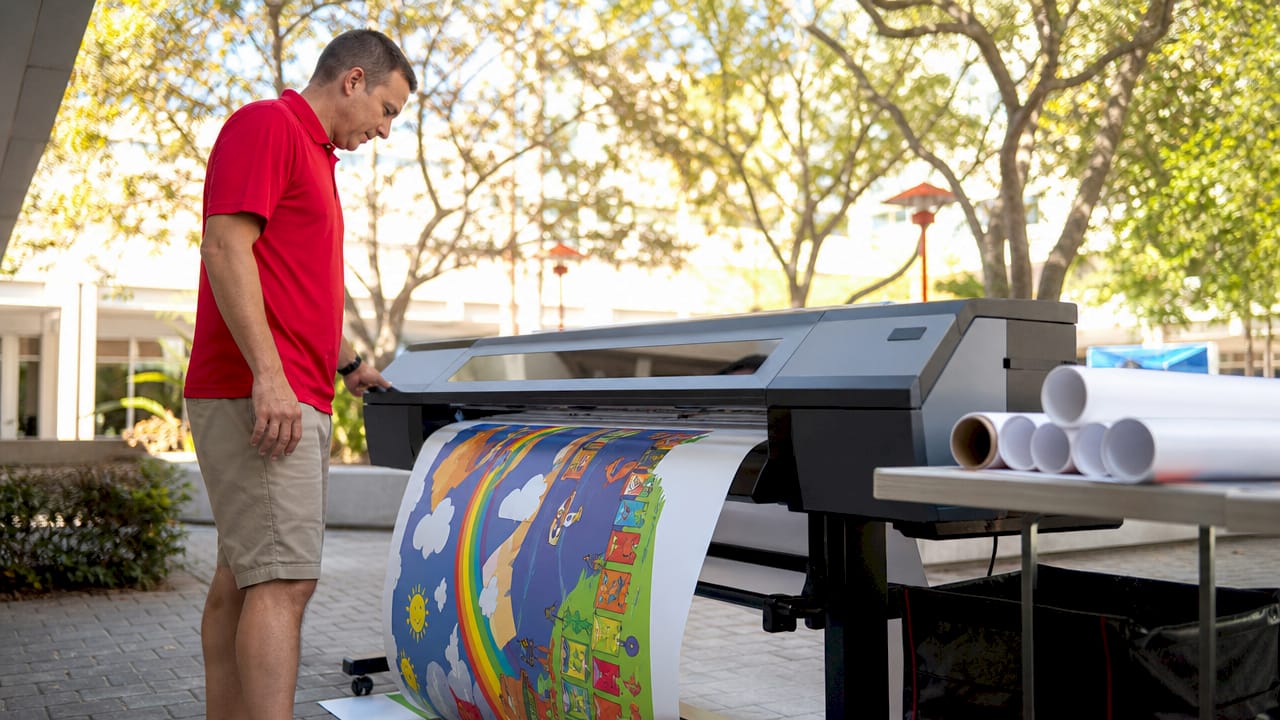
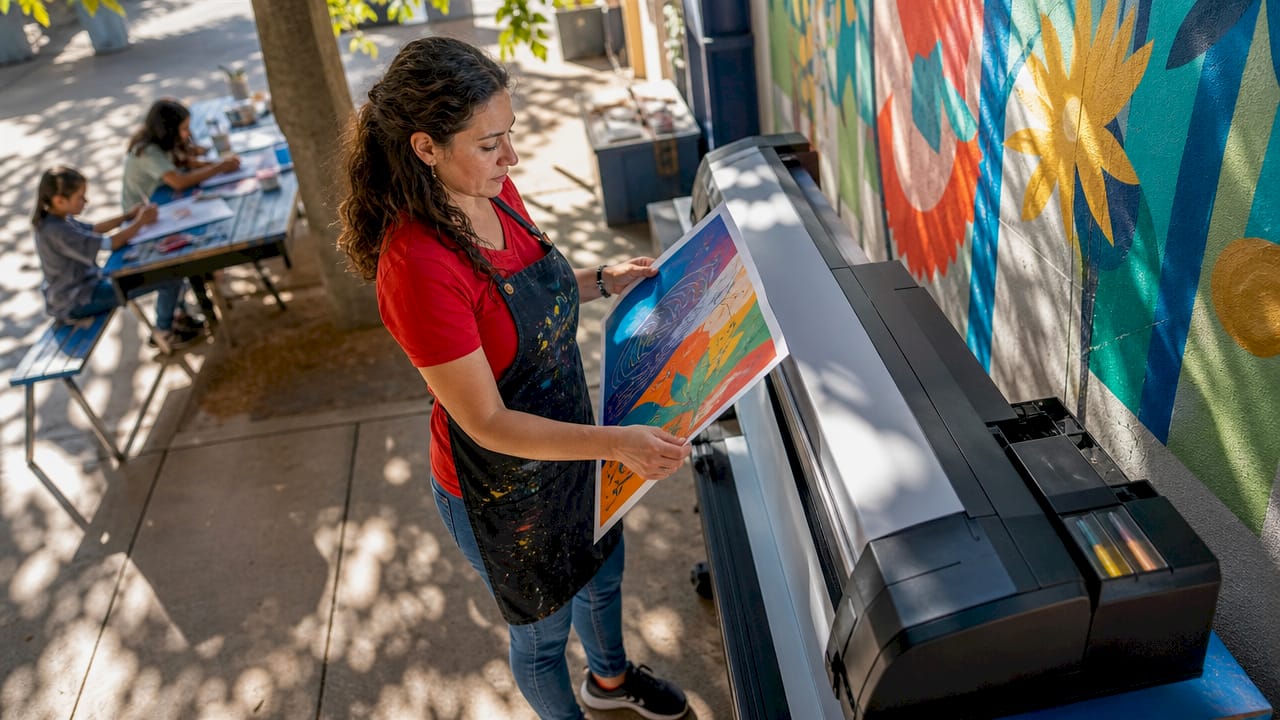
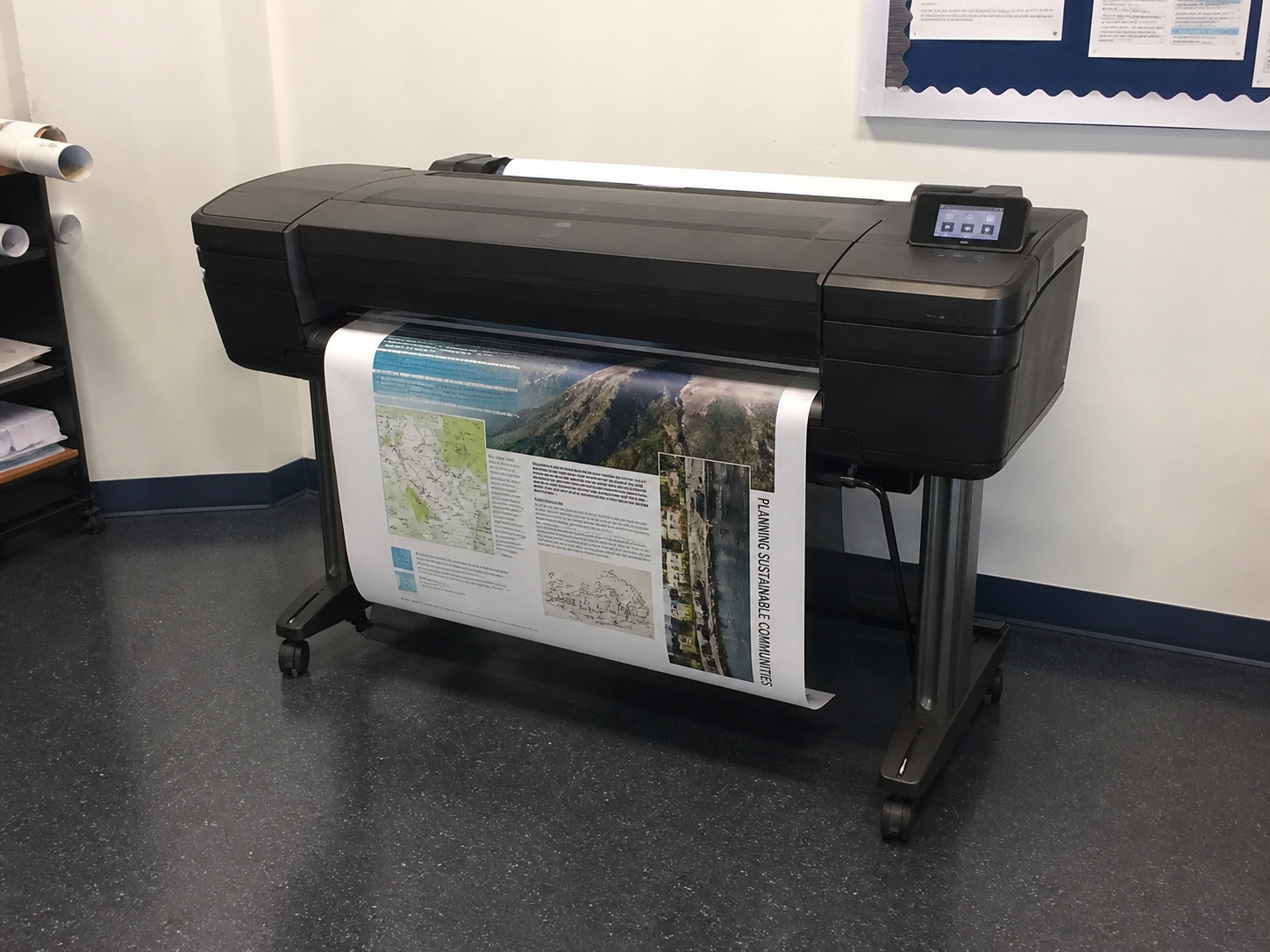
Many schools now use a poster printer machine to create professional-quality anchor charts directly in-house.
This allows teachers to:
Instead of handwriting everything repeatedly, teachers can create digital templates once and print them whenever needed.
One major shift in education has been the rise of teacher-friendly design tools like Canva.
Teachers can now create:
With drag-and-drop simplicity.
When paired with a school poster printer, these designs can be printed as full-size classroom visuals within minutes.
The best classroom anchor charts are:
Students should understand the concept quickly.
Use spacing, headings, icons, and color intentionally.
Charts should remain legible anywhere in the classroom.
Too much information reduces effectiveness.
The chart should directly support active classroom instruction.
Teachers frequently reuse charts throughout the year.
Laminated large-format charts help schools:
This is one reason many schools choose complete poster maker systems that include laminating capabilities.
Students are growing up in a world saturated with visual media, from social platforms to streaming services, and they often learn best when information is presented in ways that mirror those experiences. As a result, teachers are adapting their methods, using visuals to simplify complex concepts, spark curiosity, and support diverse learning styles. In this evolving environment, the ability to interpret and create visual content is becoming just as important as traditional reading and writing skills.
Teachers are expected to support:
Large-format educational visuals are no longer optional in many classrooms — they are part of effective instruction.
Having an in-house educational poster printer gives schools the flexibility to create those materials immediately instead of outsourcing them.
Schools need a system built specifically for education.
The Affordable Education Graphics Poster Maker helps teachers create:
quickly and affordably.
With touchscreen simplicity, professional print quality, and compatibility with Canva-created designs, schools can produce durable instructional materials without relying on outside print shops.
Anchor charts are far more than classroom decorations—they are instructional tools grounded in well-established learning science. When designed and used effectively, anchor charts support cognitive processing by making key concepts visible, organized, and accessible throughout the learning process. Research in educational psychology consistently shows that visual supports can reduce cognitive load, reinforce connections, and improve long-term retention, particularly for complex or abstract material.
In practice, anchor charts serve as a bridge between direct instruction and independent application. During lessons, teachers co-create charts with students to model thinking, highlight essential strategies, and capture key ideas in real time. Afterward, these charts remain as reference points, allowing students to revisit concepts without relying solely on teacher guidance. This ongoing accessibility helps foster independence, supports differentiated learning needs, and creates a more inclusive classroom environment where all students can engage with the material at their own pace. With Poster Making Machines, let your anchor charts actually come to life.